



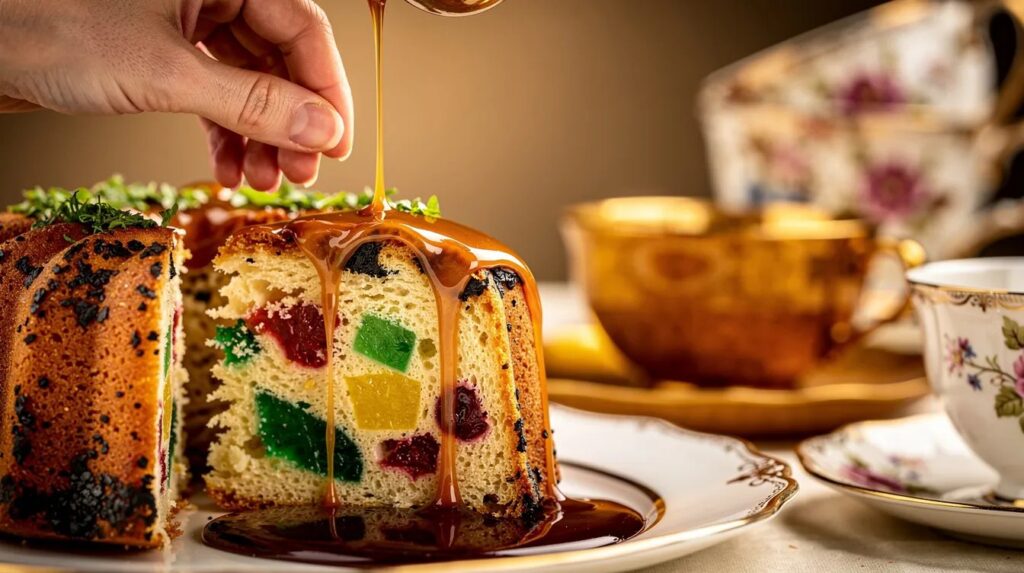
Easter in the Southern Hemisphere falls in autumn, when the air turns crisp and the kitchen fills with the warm scent of butter, vanilla and toasted spices. There's something about this time of year that pulls us back to the desserts our grandmothers made — the ones scribbled on flour-dusted index cards, stained with decades of egg yolk and melted chocolate. These weren't fussy restaurant creations. They were generous, sturdy, made to feed a crowd after church and designed to disappear from the table before anyone thought about washing up.
This collection gathers twelve of those recipes — the kind that rely on pantry staples, simple techniques and the sort of quiet patience that grandmothers seemed to have in endless supply. Some are layered, some are baked until golden, some wobble when you carry them to the table. All of them taste like a particular kind of memory. Whether you grew up with a nanna who rolled her own pastry or one who swore by a packet mix and a good dollop of cream, there's something here worth pulling out the mixing bowl for.
Classic hot cross bun pudding
This is bread and butter pudding's Easter cousin, and arguably the better one. Stale hot cross buns — the spiced, fruit-studded kind, not the chocolate ones — get halved, buttered and layered in a deep baking dish. A custard of 4 eggs, 300 ml cream, 200 ml full-cream milk, a scrape of vanilla bean and 2 tablespoons caster sugar gets poured over the top and left to soak for at least 20 minutes. Bake at 170°C for 35–40 minutes until the custard sets with a gentle wobble and the tops of the buns turn dark and lacquered. The fruit caramelises, the spices bloom in the heat, and the whole thing puffs up just enough to look impressive before it sinks into itself. Serve warm with pouring cream or a scoop of vanilla ice cream.
Simnel cake
Before chocolate eggs dominated the holiday, simnel cake was the centrepiece of Easter tables across the Commonwealth. It's a rich fruit cake — think sultanas, currants, mixed peel, glacé cherries — spiced with cinnamon, nutmeg and allspice, with a layer of marzipan (almond paste) baked into the middle and another rolled on top. The tradition calls for eleven balls of marzipan arranged around the edge, representing the apostles minus Judas. The cake improves over several days as the spices meld and the crumb softens. Use 225 g butter, 225 g brown sugar, 4 eggs, 225 g plain flour and at least 450 g mixed dried fruit. Bake low and slow at 150°C for about 2 hours. Flash the marzipan top under a hot grill until it blisters and turns golden brown in patches — that charred sweetness is half the appeal.
Lemon meringue pie
Grandma's version never came from a box, though her pastry might have. A shortcrust base, blind-baked until pale gold, filled with a thick lemon curd made from 3 lemons (juice and zest), 150 g sugar, 3 egg yolks, 40 g cornflour and 60 g butter. The curd should coat the back of a wooden spoon and hold its shape when spread into the shell. The meringue — 3 egg whites whipped with 150 g caster sugar until glossy and stiff — goes on in dramatic peaks and gets baked at 180°C for 8–10 minutes, just long enough to turn the tips tawny. The contrast matters: sharp, almost puckering curd against pillowy, sweet meringue. Let it cool completely before slicing. The filling should ooze slightly, never run.
Coconut cake with passionfruit icing
A distinctly Australian Easter favourite, particularly in Queensland and New South Wales, where passionfruit vines still heavy with fruit in late March. The cake itself is a simple butter sponge — 185 g butter, 1 cup caster sugar, 3 eggs, 2 cups self-raising flour, ¾ cup milk — with 1 cup desiccated coconut folded through. Bake in two 20 cm round tins at 180°C for 25 minutes. The icing is where it shines: 2 cups icing sugar mixed with the pulp of 3 fresh passionfruit and enough butter to make it spreadable. Slather it between the layers and over the top, then press more coconut into the sides while the icing is still tacky. The result is tropically fragrant, a little tart, and the kind of cake that looks like it belongs on a country hall afternoon tea table.
Carrot cake with cream cheese frosting
The Easter connection is obvious — carrots, bunnies, spring — but the real reason this appears every year is that it's nearly impossible to get wrong. Grate 3 large carrots coarsely. Mix with 1½ cups brown sugar, 1 cup vegetable oil, 4 eggs, 2 cups self-raising flour, 2 teaspoons cinnamon, 1 teaspoon mixed spice and ½ cup chopped walnuts. Bake in a lined tin at 170°C for 50–55 minutes. The crumb should be dense and moist, almost steamed in texture. The frosting — 250 g cream cheese, 60 g butter, 2 cups icing sugar, a squeeze of lemon — gets beaten until smooth and spread thickly across the cooled cake. Grandmothers who knew what they were doing added a handful of crushed pineapple to the batter. It sounds wrong. It works.
Pavlova with autumn fruits
The great Australian dessert, adapted for an autumn Easter. Whip 6 egg whites to stiff peaks, then gradually beat in 1½ cups caster sugar, 1 tablespoon cornflour and 1 teaspoon white vinegar. Shape into a round on baking paper and bake at 120°C for 1 hour 15 minutes, then leave in the oven with the door ajar to cool completely. The shell should crack gently, dry on the outside and marshmallowy within. Top with 300 ml whipped cream and whatever autumn fruits are at the greengrocer: sliced figs, passionfruit, feijoas, persimmon, even poached quince if you're feeling ambitious. The key is contrast — the shattering meringue, the soft cream, the bright acidity of the fruit cutting through the sweetness.
Steamed golden syrup pudding
A pudding for cooler Easter Sundays, and a recipe that grandmothers could make with their eyes closed. Pour 3 tablespoons golden syrup into the base of a greased pudding basin. Cream 125 g butter with ½ cup caster sugar, beat in 2 eggs, fold in 1½ cups self-raising flour and ⅓ cup milk. Spoon the batter over the syrup, cover tightly with a double layer of baking paper and foil, and steam for 1 hour 30 minutes. When you turn it out, the syrup cascades down the sides in a glossy amber river. Serve with proper custard — the kind made on the stove with egg yolks, not from a tin, though no one would blame you for the tin on a busy Easter afternoon. The sponge should be light, almost springy, soaked golden at the base.
Baked custard with nutmeg
Stripped back to nothing more than 4 eggs, 600 ml milk, 2 tablespoons sugar and a generous grating of whole nutmeg. Whisk the eggs and sugar, warm the milk just until steam rises, then combine and strain through a sieve into a buttered ovenproof dish. Grate the nutmeg across the surface — freshly grated, never pre-ground, the difference is stark. Set the dish in a bain-marie (a deep roasting tin filled with hot water halfway up the sides) and bake at 160°C for 40–45 minutes. The centre should still tremble when you shake the dish. Serve at room temperature or cold from the fridge. It's the humblest dessert on this list, and possibly the most satisfying. The nutmeg freckles the surface and fills the kitchen with a smell that hasn't changed in a hundred years.
Chocolate crackle nests
No baking required, and every Australian child born since 1950 has made these at least once. Melt 250 g copha (hydrogenated coconut oil) gently, then stir in 4 cups puffed rice cereal, 1 cup icing sugar, 3 tablespoons cocoa powder and 1 cup desiccated coconut. Press the mixture firmly into greased muffin tins, shaping a hollow in the centre of each to form a nest. Refrigerate for at least 2 hours until firm. Fill each nest with small speckled chocolate eggs. They're crunchy, deeply chocolatey, and somehow taste better than their ingredients suggest. Grandmothers made these not because they were difficult but because they could hand the job to the grandchildren and still end up with something respectable on the Easter table.
Trifle with sherry-soaked sponge
The trifle is the grand dame of the Australian Easter dessert spread, assembled in a glass bowl so everyone can admire the layers. Start with slices of Swiss roll or stale sponge cake pressed against the base and sides of the bowl. Splash generously with sweet sherry — at least 60 ml, more if the adults outnumber the children. Add a layer of tinned peaches or pear halves (drained), then pour over a thick crème anglaise made from 4 egg yolks, 500 ml milk, 2 tablespoons sugar and 1 teaspoon vanilla. Top with strawberry or raspberry jelly, set in the fridge until firm, then crown the whole thing with 300 ml whipped cream and a scattering of toasted flaked almonds. Assemble at least 6 hours ahead. The flavours need time to meld, the sponge needs to go properly sodden, the jelly needs to firm. Patience makes the trifle.
Date and walnut roll
A recipe that reads like a telegram: short, direct, effective. Pour 1 cup boiling water over 250 g chopped dates with 1 teaspoon bicarbonate of soda and let it sit until cool and foamy. Mix in 1 cup sugar, 30 g melted butter, 1 egg, 1½ cups plain flour and ½ cup chopped walnuts. Pour into a greased and lined loaf tin. Bake at 170°C for 50–55 minutes. The bicarb reacts with the dates to produce a dark, sticky, almost toffee-like crumb. Slice thickly and spread with cold butter. Some grandmothers wrapped the cooled loaf in a tea towel and let it sit overnight, claiming it improved. They were right. The crust softens, the interior grows denser, and the walnuts release more of their oil into the surrounding batter.
Vanilla slice (snot block)
Known affectionately — and accurately — as the snot block across Australia, this is a bakery staple that grandmothers reproduced at home with varying degrees of structural success. Two sheets of frozen puff pastry, baked flat at 200°C between two trays to keep them even, until deeply golden and shattering-crisp. Between them: a thick crème pâtissière made from 600 ml milk, 4 egg yolks, ⅓ cup cornflour, ⅓ cup sugar and 2 teaspoons vanilla extract, cooked until it holds its shape and cooled under cling film pressed to the surface. Spread the custard thickly across the bottom pastry layer, press the top layer on, and ice with passionfruit icing or a simple glacé icing tinted pale yellow. Refrigerate for at least 4 hours before slicing with a serrated knife. The first bite sends pastry flakes everywhere. The custard squirts sideways. It is, by every measure, an undignified dessert. That's precisely the point.
A note on Grandma's methods
These recipes share a common philosophy: use what you have, don't overthink it, and make more than you need. Grandmothers measured by eye, adjusted by taste, and opened the oven door far more often than any modern baking guide would recommend. Their cakes sometimes sank. Their custard sometimes split. But they kept making dessert, every Easter, without fail, because the table demanded something sweet and the family demanded something familiar.
If you're making any of these for the first time, resist the urge to improve them. The recipes are already finished. They were finished decades ago, tested across hundreds of Easter Sundays, refined by women who didn't write food blogs but understood flour, sugar, butter and eggs better than most of us ever will.
Questions frequently asked
Can these desserts be made a day ahead?
Most of them benefit from being made ahead. The simnel cake, date and walnut roll, and trifle all improve overnight. Baked custard is best served the day after. Pavlova should be assembled no more than two hours before serving to prevent the meringue from going soft, but the shell itself can be made the day before and stored in an airtight container.
What's the best substitute for copha in chocolate crackle nests?
Coconut oil works, though the texture is slightly softer and they need to stay refrigerated. Use 200 g refined coconut oil (the kind with no coconut flavour) melted and cooled slightly before mixing. Some bakers use a combination of coconut oil and a tablespoon of cocoa butter for extra snap.
Can I make the vanilla slice without puff pastry from scratch?
Store-bought frozen puff pastry is what most grandmothers used, and bakery-quality brands like Carême or Pampas give excellent results. Homemade puff pastry is a separate project entirely — rewarding, but not required for an authentic snot block.
How do I stop my lemon meringue pie from weeping?
Two things cause weeping: undercooking the filling and putting meringue onto cold curd. Make sure your lemon curd is properly thickened — it should hold a trail when drizzled from the spoon. Spread the meringue over the filling while the filling is still warm, making sure the meringue touches the pastry edges to seal completely. This creates a bond that prevents moisture from pooling beneath.
Are these recipes suitable for freezing?
The simnel cake, carrot cake (un-iced), date and walnut roll, and golden syrup pudding all freeze well for up to three months. Wrap tightly in cling film and then foil. The pavlova shell can be frozen in an airtight container. Custard-based desserts — the baked custard, trifle, lemon meringue pie, and vanilla slice — do not freeze well and should be eaten within two to three days of making.