


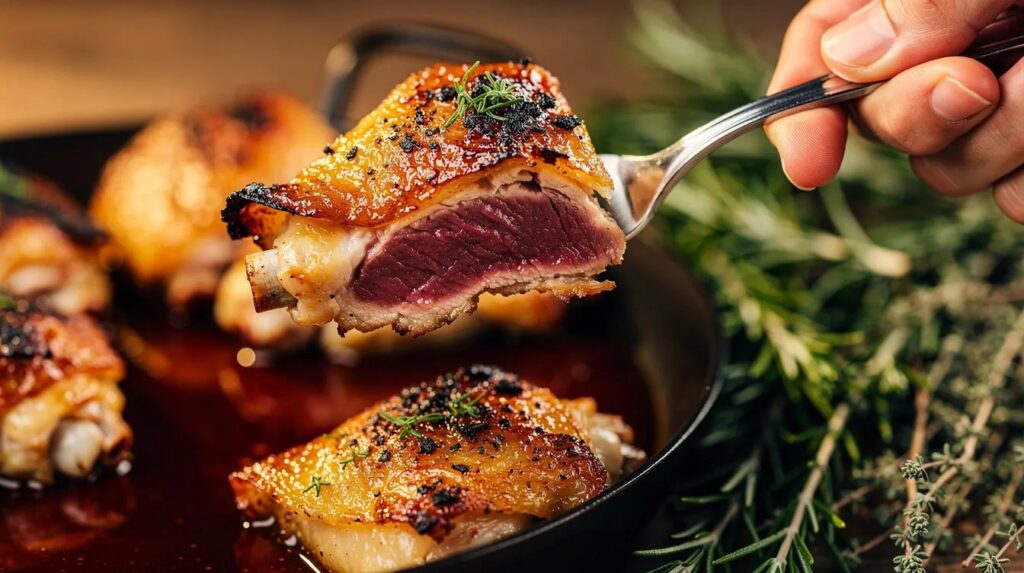
Chicken thighs are the unsung workhorses of weeknight cooking. Fattier than breasts, they stay juicy through the blast of a hot oven and forgive a few extra minutes without turning to cardboard. As autumn settles into Australia and the evenings cool just enough to welcome the warmth of a preheated oven, a tray of golden-skinned thighs feels like the right move — quick to prep, hard to ruin, and endlessly adaptable.
What follows is a collection of seventeen oven-baked chicken thigh recipes, each clocking in at under sixty minutes from fridge to table. Some lean on pantry staples you already have; others draw on bold spice blends or seasonal produce worth grabbing at your next market run. Every recipe uses bone-in, skin-on thighs unless stated otherwise, because that skin renders into something spectacular when it meets high heat. Roll up your sleeves — the oven does most of the work.
Classic herb-roasted chicken thighs
The baseline. The one to master before everything else. Rub bone-in thighs with olive oil, flaky salt, cracked black pepper, and a generous scatter of dried thyme and rosemary. Arrange them skin-side up on a wire rack set over a baking tray — this lets hot air circulate beneath, crisping the underside instead of leaving it soggy. Roast at 220°C for 35–40 minutes until the skin is deep amber and the juices run clear. Rest for five minutes. Serve with a simple green salad dressed in lemon vinaigrette.
Honey soy chicken thighs
Whisk together 3 tablespoons soy sauce, 2 tablespoons honey, 1 tablespoon rice vinegar, a grated clove of garlic, and a teaspoon of sesame oil. Marinate the thighs for at least fifteen minutes — longer if time allows. Lay them in a single layer in a baking dish, pour the remaining marinade over the top, and bake at 200°C for 40 minutes, basting once at the halfway mark. The sauce reduces into a sticky, caramelised glaze. Scatter toasted sesame seeds and thinly sliced spring onions over the top before serving with steamed jasmine rice.
Lemon and garlic chicken thighs
Sharp, bright, and built on the simplest of flavour foundations. Crush 6 garlic cloves with the flat of a knife and scatter them around the thighs in a roasting tin. Squeeze over the juice of two lemons, then tuck the spent halves between the pieces of chicken — they'll soften and char, releasing fragrant oils into the pan juices. Drizzle with olive oil, season well, and roast at 210°C for 38–42 minutes. Spoon the garlicky pan juices over the chicken when plating. Crusty bread is non-negotiable here — you'll want something to mop up every drop.
Spiced paprika and onion tray bake
Slice 3 large brown onions into thick rings and spread them across a lined baking tray. They become the bed for the chicken, caramelising slowly in the rendered fat. Season the thighs generously with smoked paprika, garlic powder, a pinch of cayenne, salt, and a drizzle of olive oil. Nestle them on top of the onions, skin facing up. Bake at 200°C for 45 minutes. The onions turn jammy and sweet while the skin crackles. A cool dollop of sour cream or yoghurt on the side balances the smokiness.
Italian-style chicken thighs with olives and tomatoes
Halve 250 g cherry tomatoes and toss them with pitted Kalamata olives, a handful of torn fresh basil, sliced garlic, and a splash of extra-virgin olive oil. Spread the mixture across a baking dish. Season the chicken thighs with dried oregano, salt, and pepper, then place them on top. Roast at 200°C for 40–45 minutes. The tomatoes burst and collapse into a rough, intensely flavoured sauce. Serve over soft polenta or alongside a chunk of ciabatta.
Teriyaki-glazed chicken thighs
For a quick homemade teriyaki — the word means "glossy grill" — combine 60 ml soy sauce, 2 tablespoons mirin, 1 tablespoon brown sugar, and 1 teaspoon freshly grated ginger in a small saucepan. Simmer for three minutes until slightly thickened. Brush the glaze over the thighs, reserving some for a second coat. Bake at 200°C for 35 minutes, brushing again at the twenty-minute mark. The skin develops a lacquered, almost mahogany sheen. Pair with steamed broccoli and short-grain rice.
Moroccan-spiced chicken with apricots
This one draws warmth from a blend of ground cumin, coriander, cinnamon, and a pinch of turmeric. Rub the spice mix into the thighs along with olive oil and salt. Tuck 8–10 dried apricots and a handful of green olives around the chicken in the roasting tin. Add a splash of chicken stock — about 80 ml — to create steam and prevent the fruit from scorching. Bake at 200°C for 45 minutes. The apricots plump and turn glossy, offering a sweet counterpoint to the earthy spices. Scatter fresh coriander leaves over the dish and serve alongside couscous.
Peri-peri chicken thighs
Blend together 3 bird's eye chillies (deseeded for less heat), 3 garlic cloves, the juice of one lemon, 1 tablespoon smoked paprika, 1 teaspoon dried oregano, 60 ml olive oil, and 1 tablespoon red wine vinegar. Coat the thighs thoroughly. Let them sit in the marinade for twenty minutes while the oven preheats to 210°C. Bake for 40 minutes, turning once. The chilli heat builds gradually, balanced by the acid from lemon and vinegar. Serve with thick-cut chips and a crunchy slaw.
Maple-mustard chicken thighs
A sweet-sharp glaze that works beautifully as the weather cools. Whisk 2 tablespoons pure maple syrup with 2 tablespoons wholegrain mustard, 1 tablespoon Dijon, and a splash of apple cider vinegar. Season the chicken with salt and pepper, then spoon the glaze over each thigh. Roast at 200°C for 40 minutes. The mustard seeds toast and pop, creating a textured crust. Roasted sweet potato wedges make a natural companion.
Greek-style chicken with potatoes and oregano
Cut 800 g waxy potatoes into wedges and toss them with olive oil, dried oregano, lemon zest, and salt. Spread them across a large baking tray. Season the thighs with the same oregano-lemon mix and lay them on top of the potatoes — the fat renders down and bastes the wedges as they cook. Add a generous squeeze of lemon juice over everything. Bake at 200°C for 50 minutes, turning the potatoes once halfway through. The result is deeply savoury, tangy, and requires nothing more than a cucumber-tomato salad on the side. Crumble feta over the potatoes if the mood strikes.
Bbq-glazed oven chicken thighs
When the barbecue isn't an option — rain, time, or just sheer laziness — the oven steps in. Use a quality smoky barbecue sauce or make a quick one: 80 ml tomato sauce, 1 tablespoon Worcestershire sauce, 1 tablespoon brown sugar, 1 teaspoon smoked paprika, and 1 teaspoon garlic powder. Season the thighs with salt and pepper, bake skin-side up at 200°C for 25 minutes, then brush generously with the sauce and return to the oven for another 15–20 minutes. The sauce caramelises at the edges without burning. Serve with corn on the cob and coleslaw for a proper weekend feel on a Tuesday.
Garlic butter chicken thighs
Melt 40 g butter and stir in 4 finely minced garlic cloves, a squeeze of lemon, and a tablespoon of chopped flat-leaf parsley. Season the thighs with salt and pepper, arrange in a baking dish, and pour the garlic butter over the top. Bake at 200°C for 40 minutes, spooning the melted butter back over the chicken once or twice during cooking. The kitchen will smell extraordinary by minute twenty. The skin turns a burnished gold, slick with garlicky butter. Serve with mashed potatoes — they need to catch the sauce.
Harissa chicken thighs with chickpeas
Spoon 2 tablespoons harissa paste into a bowl with olive oil, a squeeze of lemon, and a pinch of salt. Coat the thighs in the paste. Drain a 400 g tin of chickpeas, scatter them across a baking tray, and toss with olive oil, cumin, and a pinch of salt. Place the harissa-coated thighs on top. Bake at 210°C for 40 minutes. The chickpeas crisp at the edges, absorbing the smoky, chilli-laced fat that drips from the chicken. Finish with a drizzle of tahini and fresh coriander.
Coconut-curry chicken thighs
This recipe skews toward a dry-roasted curry rather than a saucy simmer. Mix 2 tablespoons curry powder (Madras-style works well) with 80 ml coconut cream, a grated clove of garlic, a thumb of grated ginger, and a tablespoon of fish sauce. Slather this over the chicken thighs and let it sit for fifteen minutes. Bake at 200°C for 40–45 minutes. The coconut cream caramelises where it meets the hot tray, forming a golden, fragrant crust. Serve with steamed basmati rice, lime wedges, and a scattering of sliced red chilli. A handful of fresh mint lifts the whole plate.
Balsamic-roasted chicken thighs with red onion
Quarter 2 red onions and arrange them in a baking dish. Drizzle 3 tablespoons balsamic vinegar and 1 tablespoon olive oil over the onions, tossing to coat. Season the chicken thighs with salt, pepper, and dried thyme, then nestle them among the onions. Bake at 200°C for 45 minutes. The vinegar reduces into a dark, syrupy glaze, staining the onions a deep burgundy. The tartness cuts through the richness of the skin fat — a balance that keeps you reaching for the next forkful. A rocket salad dressed with a little more balsamic alongside is all it needs.
Miso-butter chicken thighs
This is quietly one of the best things you can do to a chicken thigh. Mash together 2 tablespoons white (shiro) miso paste and 30 g softened unsalted butter. Add 1 teaspoon mirin and a tiny grating of fresh ginger. Loosen the skin of each thigh and spread a portion of the miso butter directly onto the flesh, underneath the skin. Smooth the skin back into place and season the outside with a little pepper — the miso provides enough salt. Roast at 210°C for 35–40 minutes. The butter melts into the meat, and the miso delivers a deep, savoury sweetness — umami in its most direct form. Serve with pickled cucumber and short-grain rice.
Autumn tray bake with pumpkin and sage
A recipe that leans hard into the season. Peel and cube 500 g Kent or Jap pumpkin into roughly 3 cm pieces. Toss with olive oil, salt, and a few whole sage leaves. Spread the pumpkin across a large baking tray. Season the chicken thighs with salt, pepper, and a pinch of nutmeg, then set them on top. Drizzle a little extra olive oil over the skin. Bake at 200°C for 45–50 minutes. The pumpkin softens and caramelises at its edges, the sage leaves turn crisp and brittle — almost like chips — and the chicken skin goes crackling-crisp. A drizzle of brown butter over the top before serving elevates this into something genuinely special. Perfect autumn eating.
Tips that apply to every recipe
Get the skin right
Pat the thighs dry with paper towel before seasoning. Moisture is the enemy of crisp skin. If you have time, leave them uncovered on a plate in the fridge for an hour — or even overnight. The dry air of the refrigerator draws surface moisture away, and the difference is noticeable. Always start them skin-side up, and resist the temptation to flip unless a recipe specifically calls for it.
Use a meat thermometer
Chicken thighs are done at an internal temperature of 74°C. Because of their higher fat content, they actually taste better at 77–82°C — the connective tissue breaks down further, making the meat silkier. Using a digital probe thermometer removes all guesswork and costs less than a takeaway dinner.
Rest before cutting
Five minutes off the tray, loosely covered with foil. The juices redistribute through the meat rather than flooding the chopping board. This applies to every protein, every time.
Season with confidence
Chicken thighs can handle bold seasoning. The layer of fat and skin acts as a buffer, so what might overwhelm a delicate fish fillet barely registers through a thick thigh. Salt generously before roasting — the skin needs it to crisp — and don't shy away from acid (lemon, vinegar, wine) in marinades. Acid tenderises and brightens.
Storing and reheating leftovers
Cooked chicken thighs keep well in an airtight container in the fridge for up to 3 days. To reheat, place them skin-side up on a wire rack over a baking tray and warm at 180°C for 12–15 minutes. This method re-crisps the skin rather than steaming it limp in the microwave. Shredded leftover thigh meat works brilliantly in tacos, grain bowls, fried rice, or tossed through pasta with olive oil and chilli flakes.
Questions frequently asked
Bone-in or boneless — does it matter?
Bone-in, skin-on thighs deliver more flavour and stay juicier during roasting. The bone acts as an insulator, slowing heat transfer and giving you a wider window before overcooking. Boneless thighs cook faster — roughly 25–30 minutes at 200°C — and work well in recipes where you want to slice or shred the meat after cooking. For straight-up oven roasting with crisp skin, bone-in wins.
Can I use these recipes with chicken drumsticks instead?
Absolutely. Drumsticks have a similar fat-to-meat ratio and behave well at high oven temperatures. Add 5–10 minutes to the cooking time, as drumsticks tend to be thicker at their widest point. Check with a thermometer at the thickest part, near the bone.
How do I stop the chicken from sticking to the tray?
Line your baking tray with baking paper or use a lightly oiled wire rack set over the tray. Both methods prevent sticking and improve air circulation. Avoid non-stick cooking spray on unlined trays at very high temperatures — it can leave a residue that's difficult to remove.
Is marinating overnight necessary?
Not for any of these recipes. Fifteen to thirty minutes gives you noticeable flavour penetration, especially if you score the meat lightly with a knife. Marinating overnight deepens the flavour further but isn't mandatory. One should note however that the exception is highly acidic marinades — don't leave chicken in pure citrus juice for more than two hours, as the acid can begin to break down the surface texture.
What's the best way to tell if chicken thighs are cooked without a thermometer?
Pierce the thickest part of the thigh near the bone with a skewer. If the juices run clear — no pink tinge — the chicken is cooked. You can also wiggle the bone gently; when it moves freely in the socket, the surrounding meat has cooked through. Although note a thermometer is a small investment that eliminates all doubt.