


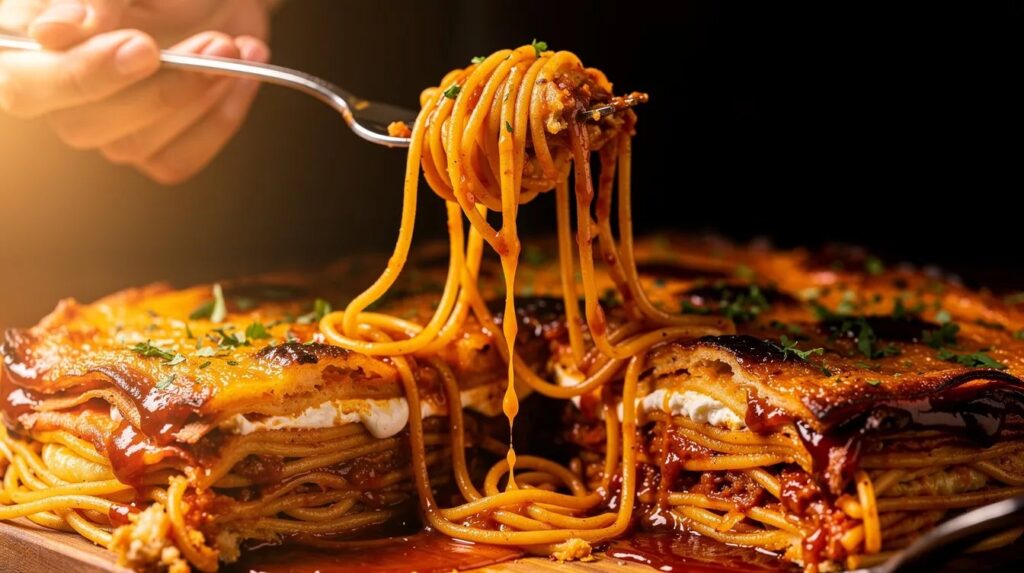
Baked spaghetti occupies a sweet spot, falling somewhere between a quick weeknight pasta dish and a more involved lasagna project. You get that same bubbly, golden cheese crust and those rich layers of sauce and filling, but without the fuss of layering pasta sheets and hoping they don't stick together. In late March, as evenings in Australia hold onto a bit of warmth while the nights begin to cool, a dish like this feels just right – hearty enough to satisfy and easy enough to whip up after a long day.
Below are seven baked spaghetti recipes, each with its own distinct character. Some lean into classic Italian-American comfort, while others take advantage of what's fresh at the markets right now — think early autumn mushrooms, late-season capsicums and robust greens. Every recipe starts with cooked spaghetti, and each can be assembled in advance and popped into the oven when you're ready. Choose the one that suits your mood, your fridge and your appetite.
Classic beef and cheese baked spaghetti
| Preparation | 20 min |
| Cooking | 35 min |
| Portions | 6 people |
| Difficulty | Easy |
| Cost | $$ |
| Season | Year-round staple |
Ingredients
- 400 g spaghetti
- 500 g beef mince
- 1 brown onion, finely diced
- 3 cloves garlic, minced
- 700 ml passata
- 2 tbsp tomato paste
- 1 tsp dried oregano
- 200 g mozzarella, shredded
- 50 g parmesan, finely grated
- 2 eggs, beaten
- Salt, black pepper, olive oil
Method
Cook the spaghetti in well-salted water until it's just shy of al dente — about a minute less than the packet instructions. It will finish cooking in the oven, so you want to avoid mushiness. Drain it, toss with a drizzle of olive oil, and set aside.
In a wide pan over medium-high heat, brown the mince in olive oil, breaking it into small pieces with a wooden spoon. Once the mince is no longer pink and the edges are starting to brown, push it to one side and soften the onion and garlic in the cleared space for two to three minutes. Stir everything together, add the passata, tomato paste and oregano, then season. Let the sauce simmer gently for ten minutes, until it thickens slightly and loses its raw tomato edge.
Preheat your oven to 190°C. In a large bowl, toss the drained spaghetti with the beaten eggs – this helps bind the mixture, giving the bake structure so you can cut it into neat portions. Fold in about two-thirds of the meat sauce and half the mozzarella. Transfer everything to a greased 9×13 inch baking dish, spread the remaining sauce on top, and scatter over the rest of the mozzarella and all the parmesan. Bake uncovered for 25–30 minutes until the cheese is deeply golden and the edges are bubbling. Let it rest for five minutes before cutting – patience here pays off with tidier slices.
Creamy mushroom and thyme baked spaghetti
| Preparation | 20 min |
| Cooking | 30 min |
| Portions | 4–6 people |
| Difficulty | Easy |
| Cost | $$ |
| Season | Early autumn mushrooms, fresh thyme |
Suitable for: Vegetarian
Ingredients
- 400 g spaghetti
- 500 g mixed mushrooms (Swiss browns, cups, shiitake), sliced
- 3 cloves garlic, thinly sliced
- 250 ml thickened cream
- 200 ml vegetable stock
- 1 tbsp fresh thyme leaves
- 150 g gruyère, grated
- 40 g butter
- 30 g panko breadcrumbs
- Salt, black pepper, olive oil
Method
This dish is all about the mushrooms, so give them space. Heat a large frying pan over high heat with a splash of olive oil and half the butter. Add the mushrooms in a single layer – work in batches rather than crowding the pan, which will cause them to steam instead of caramelising (developing those deep brown, nutty edges). Cook each batch for four to five minutes, turning only once. You want them dark golden, not pale and rubbery. Add the garlic and thyme in the last minute, stirring until fragrant.
Pour in the cream and stock, bring to a gentle simmer, and let it reduce by about a third. The sauce should coat the back of a spoon. Season with salt and a generous grind of pepper. Toss this through your cooked spaghetti and pour into a buttered baking dish. Top with gruyère. Melt the remaining butter, toss with the panko, and scatter over the cheese. Bake at 200°C for 20–25 minutes. The breadcrumbs should be crunchy and the sauce should be visibly bubbling at the edges.
Sausage, capsicum and olive baked spaghetti
| Preparation | 15 min |
| Cooking | 40 min |
| Portions | 6 people |
| Difficulty | Easy |
| Cost | $$ |
| Season | Late-season capsicums, pantry staples |
Ingredients
- 400 g spaghetti
- 4 Italian pork sausages, casings removed
- 2 red capsicums, cut into strips
- 80 g Kalamata olives, halved
- 700 ml passata
- 1 tsp chilli flakes (optional)
- 150 g mozzarella, torn
- 30 g pecorino, grated
- Fresh basil, olive oil
Method
Squeeze the sausage meat from its casings directly into a hot oiled pan. Break it into rough, uneven pieces – some chunky, some crumbled – and fry over medium-high heat until deeply browned, about six minutes. The irregular shapes create textural contrast throughout the bake. Add the capsicum strips and cook for another four minutes until they soften but still have some bite. Stir in the passata, olives and chilli flakes (if using), then simmer for ten minutes.
Toss the cooked spaghetti through the sauce and tumble everything into a baking dish. Dot torn mozzarella across the surface and dust with pecorino. Bake at 190°C for 25 minutes. Finish with fresh basil leaves torn over the top – add them after baking, not before, so they stay vibrant green and fragrant rather than turning black in the heat.
Spinach and ricotta baked spaghetti
| Preparation | 15 min |
| Cooking | 30 min |
| Portions | 4–6 people |
| Difficulty | Easy |
| Cost | $ |
| Season | Autumn spinach, fresh ricotta |
Suitable for: Vegetarian
Ingredients
- 400 g spaghetti
- 300 g fresh spinach
- 250 g fresh ricotta
- 2 cloves garlic, minced
- Zest of 1 lemon
- Pinch of nutmeg
- 500 ml passata
- 150 g mozzarella, shredded
- 40 g parmesan, grated
- Salt, black pepper, olive oil
Method
Wilt the spinach in a hot pan with a splash of oil and the garlic. This takes barely a minute – once it collapses, tip it into a colander and press out as much liquid as possible with the back of a spoon. Too much water will prevent a crisp bake. Roughly chop the squeezed spinach and fold it through the ricotta along with the lemon zest, nutmeg, salt and pepper.
Spread a thin layer of passata across the base of your baking dish. Toss the cooked spaghetti with the remaining passata and arrange half of it in the dish. Dollop spoonfuls of the spinach-ricotta mixture across the surface, then top with the rest of the spaghetti. Scatter mozzarella and parmesan over the top. Bake at 190°C for 25–30 minutes. The ricotta melts into soft, creamy pockets throughout – ensuring that every forkful is slightly different.
Chicken parmigiana baked spaghetti
| Preparation | 25 min |
| Cooking | 35 min |
| Portions | 6 people |
| Difficulty | Medium |
| Cost | $$ |
| Season | Year-round favourite |
Ingredients
- 400 g spaghetti
- 500 g chicken breast, cut into 2 cm cubes
- 60 g plain flour
- 2 eggs, beaten
- 80 g panko breadcrumbs
- 700 ml passata
- 1 tsp dried oregano
- 200 g mozzarella, shredded
- 50 g parmesan, grated
- Salt, black pepper, vegetable oil for frying
Method
This is pasta that takes its inspiration from the pub parma. Season the flour with salt and pepper. Dredge the chicken cubes in flour, dip in egg, then roll through panko. Shallow fry in vegetable oil over medium-high heat for about three minutes, turning, until the coating is golden and the chicken is cooked through. Drain on paper towel.
Warm the passata with the oregano and season to taste. Toss the spaghetti with about two-thirds of the sauce and spread it in a baking dish. Nestle the crumbed chicken cubes across the top, pour over the remaining sauce, and blanket with mozzarella and parmesan. Bake at 200°C for 20–25 minutes. The breadcrumb coating on the chicken stays surprisingly crunchy where it pokes above the sauce – position the cubes with the crumbed side facing upwards to preserve that crunch.
Pumpkin and sage baked spaghetti
| Preparation | 20 min |
| Cooking | 45 min (including pumpkin roasting) |
| Portions | 4–6 people |
| Difficulty | Easy |
| Cost | $ |
| Season | Autumn pumpkin, fresh sage |
Suitable for: Vegetarian
Ingredients
- 400 g spaghetti
- 600 g butternut pumpkin, peeled and cut into 2 cm cubes
- 12 fresh sage leaves
- 60 g butter
- 200 ml thickened cream
- 100 g parmesan, grated
- 50 g walnuts, roughly chopped
- Salt, black pepper, olive oil
Method
Toss the pumpkin cubes in olive oil, salt and pepper, and roast at 200°C for 25 minutes until tender and caramelised at the edges. The natural sugars in autumn pumpkin become beautifully concentrated in the dry heat of the oven, making them sweet and slightly sticky.
While the pumpkin roasts, melt the butter in a small saucepan over medium heat. Once it foams, add the sage leaves and cook until the butter turns a hazelnut brown and the sage crisps – this is beurre noisette, a French technique in which the milk solids in the butter toast, producing a nutty, complex flavour. Watch it closely; the difference between brown butter and burnt butter is only about thirty seconds. Pour in the cream, stir and remove from heat.
Fold the roasted pumpkin and cream-sage sauce through the cooked spaghetti. Transfer to a baking dish, top with parmesan and walnuts, and bake at 190°C for 15–20 minutes until golden and bubbling. The walnuts toast in the oven and add a savoury crunch that complements the sweetness of the pumpkin.
Nduja and burrata baked spaghetti
| Preparation | 15 min |
| Cooking | 30 min |
| Portions | 4 people |
| Difficulty | Easy |
| Cost | $$$ |
| Season | Year-round pantry ingredients |
Ingredients
- 350 g spaghetti
- 120 g nduja
- 400 g tin San Marzano tomatoes, crushed by hand
- 2 cloves garlic, sliced
- 200 g burrata (1 large ball)
- 30 g parmesan, grated
- Fresh basil, olive oil
Method
Nduja – a spreadable, spicy Calabrian salami – melts directly into oil when heated, creating an instant chilli-infused fat base that coats every strand of spaghetti. Warm a generous glug of olive oil in a pan over medium heat, add the nduja and stir until it dissolves into the oil, about two minutes. Add the garlic, cook for thirty seconds, and then pour in the crushed tomatoes. Simmer for ten minutes.
Toss the cooked spaghetti through the sauce and transfer to a baking dish. Scatter parmesan over the top and bake at 200°C for 15–20 minutes until the top crisps slightly. Remove from the oven, tear the burrata directly over the surface and let the creamy centre spill across the hot pasta. The residual heat warms the cheese without cooking it, so you get that cool, milky contrast against the spicy sauce. Finish with basil and a drizzle of good olive oil.
Tips that apply to every baked spaghetti
Always undercook your spaghetti by one to two minutes. The pasta will continue to absorb liquid and cook in the oven -- if it goes in al dente, it comes out perfectly; if it goes in soft, it comes out overdone. Grease your baking dish properly, or you'll lose a layer of cheese when cleaning up. And let the bake rest for at least five minutes before serving. It needs that time to set, which will make it easy to slice rather than a saucy avalanche on the plate.
A brief case for baked spaghetti
Baked pasta dishes have deep roots in Southern Italian cooking – pasta al forno has been a Sunday tradition for generations, long before lasagna became the go-to baked pasta in the English-speaking world. The logic is the same: combine cooked pasta with sauce, add cheese, and let the oven do the final job of melding flavours and creating that irresistible crust. Spaghetti, with its long strands, traps sauce differently from flat lasagna sheets or short tubes of rigatoni. This creates unique pockets and tangles where cheese pools and sauce concentrates, resulting in a distinct texture.
In Australian kitchens, baked spaghetti has quietly remained a family staple since at least the 1970s, often appearing in community cookbooks and school canteen menus. It's a dish that easily adapts to whatever is in the fridge, can be scaled up for a crowd and reheats better than most pastas – often tasting even better on the second day, once the flavours have settled and the edges have further crisped up in the microwave or oven.
Questions frequently asked
Can I assemble baked spaghetti the night before?
Yes, which is a great advantage it has over lasagna. Assemble everything in the baking dish, cover tightly with cling film or a lid, and refrigerate for up to 24 hours. When you're ready to cook, remove the cover and add an extra five to ten minutes of baking time, as the dish will be starting cold. The pasta may absorb a little more sauce overnight, so you might want to make the sauce slightly saucier than usual.
What's the best way to store and reheat leftovers?
Portion the leftovers into airtight containers and refrigerate for up to three days, or freeze for up to two months. To reheat from the fridge, cover with foil and bake at 180°C for 15–20 minutes, then remove the foil for the last five minutes to re-crisp the top. From frozen, thaw overnight in the fridge first. Microwaving is fine in a pinch – splash a tablespoon of water over the portion before heating to stop the pasta drying out.
Can I use a different pasta shape instead of spaghetti?
Absolutely. Linguine and bucatini are the closest alternatives and behave almost identically. Shorter shapes like penne or rigatoni also work well, but will give you a different texture – more distinct pieces rather than the tangled nests that spaghetti creates. If you use a thicker shape, add about 20% more sauce to make sure everything stays moist during baking.
How do I get the cheese topping extra crispy?
There are two ways. First, mix your shredded mozzarella with a harder, drier cheese like parmesan or pecorino – the drier cheese browns faster and more evenly. Second, switch your oven to the grill (broiler) setting for the last two to three minutes of cooking. Keep a close eye on it during this stage, as the cheese can go from golden to burnt in under a minute. Put the rack about 15 cm below the element for best results.
Can I make any of these recipes gluten-free?
Substitute the spaghetti with a gluten-free spaghetti made from rice, corn or a blend. Gluten-free pasta tends to soften more quickly, so undercook it by two full minutes and bake for about five minutes less. Do check the breadcrumbs in recipes 2 and 5 – gluten-free panko is widely available in Australian supermarkets. The sauces themselves are naturally gluten-free in all seven recipes.