


Carrots have earned their place in the dessert hall of fame, but somewhere along the way, most of us stopped at cake. That's a shame, because this bright, earthy root vegetable brings natural sweetness, moisture, and a warm golden colour to an astonishing range of sweets. Grated, puréed, or slow-cooked into a syrup, the humble carrot transforms into something genuinely surprising when paired with brown butter, cardamom, citrus, or even white chocolate.
With autumn settling in across Australia this late March, carrots are at their peak — pulled from cool soil, dense with sugars, and practically begging to be turned into something beyond the usual frosted loaf. What follows are ten dessert ideas, each with a brief method and flavour notes, designed to push your carrot repertoire into new territory. Some borrow from Indian and Middle Eastern traditions; others riff on classic European pastry. All of them are genuinely easy. Time to reach for the peeler.
Gajar ka halwa (Indian carrot pudding)
This is the dessert that changed the way half the world thinks about carrots. Coarsely grate 500 g of carrots and simmer them in 500 ml of full-cream milk over medium heat, stirring often, until the milk reduces almost completely — roughly 25–30 minutes. Stir in 3 tablespoons of ghee, 80 g of raw sugar, a pinch of elaichi (green cardamom), and a handful of slivered almonds. Cook for another 10 minutes until the mixture pulls away from the pan. Serve warm, with a spoonful of thick cream or a scoop of vanilla ice cream. The texture is jammy, fudgy, and deeply aromatic — somewhere between a custard and a dense pudding.
Carrot and orange blossom panna cotta
Juice 400 g of carrots (or blend and strain through a fine sieve). Warm the juice gently with 200 ml of cream, 60 g of caster sugar, and 1 teaspoon of orange blossom water. Bloom 2 teaspoons of gelatine in cold water, then whisk it into the warm carrot-cream mixture. Pour into ramekins and refrigerate for at least 4 hours. The result is a delicate, sunset-coloured wobble that tastes floral and gently vegetal. Top with a few crushed pistachios and a ribbon of honey.
Spiced carrot blondies with brown butter
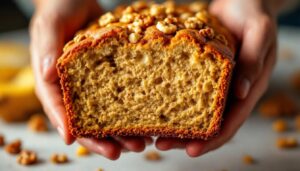
Brown 125 g of unsalted butter in a saucepan until it smells nutty and the milk solids turn amber. Let it cool slightly, then whisk in 150 g of light brown sugar, 1 egg, and 1 teaspoon of vanilla extract. Fold in 150 g of plain flour, ½ teaspoon each of cinnamon and ginger, a pinch of salt, and 120 g of finely grated carrot. Spread into a lined 20 cm square tin and bake at 175 °C for 22–25 minutes. The edges should be set, the centre still slightly soft. These are chewy, toffee-scented, and far more interesting than a standard blondie.
Carrot and tahini ice cream
No ice cream maker needed. Roast 300 g of chopped carrots with 1 tablespoon of maple syrup at 200 °C until soft and caramelised — about 25 minutes. Blend the roasted carrots with 400 ml of coconut cream, 3 tablespoons of tahini, 2 tablespoons of honey, and a pinch of sea salt until completely smooth. Pour into a loaf tin, cover, and freeze for at least 6 hours, stirring vigorously with a fork every 90 minutes for the first few rounds. The tahini prevents iciness and adds a savoury backbone. Scoop it alongside a slice of something warm — one of the blondies above, for instance.
Carrot jam thumbprint biscuits
Start with a quick carrot jam: simmer 200 g of grated carrot with 100 g of sugar, the juice of 1 lemon, and ½ teaspoon of ground cinnamon over low heat for 20 minutes until thick and glossy. Set aside. For the biscuit dough, cream 125 g of butter with 60 g of icing sugar, then mix in 1 egg yolk, 180 g of plain flour, and a pinch of salt. Roll into walnut-sized balls, press a thumb into each, and fill with a teaspoon of the carrot jam. Bake at 170 °C for 14–16 minutes. They should be pale gold with jewel-bright centres.
Middle eastern carrot and semolina cake (sfouf-style)
This borrows from the Lebanese sfouf tradition — a turmeric-tinged semolina cake, made eggless and dairy-free. Whisk together 200 g of fine semolina, 100 g of plain flour, 150 g of caster sugar, ½ teaspoon of turmeric, and 1 teaspoon of baking powder. Stir in 150 g of finely grated carrot, 120 ml of vegetable oil, and 200 ml of orange juice. Pour into a greased 22 cm round tin and scatter pine nuts across the top. Bake at 180 °C for 30–35 minutes. The crumb is slightly sandy, fragrant, and naturally moist from the carrot. Drizzle with a little orange blossom syrup if the mood strikes.
Carrot halwa stuffed pastry rolls
Use the gajar ka halwa from recipe one (or a shortcut version cooked for less time, kept slightly drier). Lay out a sheet of frozen puff pastry, thawed, and cut it into 6 rectangles. Spoon a generous line of cold halwa along one edge of each rectangle, roll tightly, and brush with a beaten egg. Sprinkle with sesame seeds and a pinch of flaky salt. Bake at 200 °C for 18–20 minutes until puffed and deeply golden. The contrast between crisp, shattering pastry and the dense, sweet carrot filling is genuinely addictive. Serve warm with chai.
Raw carrot and date energy balls
Pulse 150 g of Medjool dates (pitted), 100 g of finely grated carrot, 80 g of rolled oats, 2 tablespoons of coconut oil, 1 tablespoon of chia seeds, and ½ teaspoon of cinnamon in a food processor until the mixture clumps together. Roll into 16–18 balls and coat in desiccated coconut. Refrigerate for at least 1 hour. These taste like carrot cake in concentrated, portable form — sweet, spiced, and chewy — without any refined sugar or flour. They keep well in the fridge for up to a week.
Carrot and white chocolate mousse
Steam 250 g of chopped carrots until completely tender, then blend with 2 tablespoons of fresh orange juice until silky. Melt 100 g of white chocolate gently and fold it into the warm carrot purée. In a separate bowl, whip 200 ml of cold thickened cream to soft peaks, then fold the two mixtures together with a light hand. Divide among glasses and chill for 2 hours. The mousse is pale apricot, impossibly smooth, and tastes like a grown-up creamsicle with a quiet earthiness underneath. A grating of fresh nutmeg on top finishes it well.
Roasted carrot tarte tatin
Peel 6–8 slender carrots and halve them lengthways. Make a dry caramel by melting 100 g of caster sugar in an ovenproof 24 cm frying pan over medium heat — don't stir, just swirl — until it turns a deep amber. Remove from heat, carefully add 30 g of butter and a splash of apple cider vinegar, then arrange the carrot halves in the pan, cut-side down. Tuck in a few sprigs of thyme. Drape a round of puff pastry over the top, tuck the edges in, and bake at 200 °C for 25–30 minutes until the pastry is puffed and bronze. Flip onto a board, let the caramel drip down over the carrots, and serve in wedges with crème fraîche. The carrots go sweet, sticky, and almost candied — a savoury-sweet tart that holds its own against any apple version.
A few notes on getting the best from your carrots
For desserts, choose carrots that feel heavy and firm, with no give when bent. Smaller, thinner roots tend to be sweeter and less woody at the core. In the cooler months, look for bunched carrots with their tops still attached — the greens should look bright and perky, a reliable sign of freshness. Store unwashed carrots in a loose bag in the crisper; they'll hold their sweetness for a good two weeks.
Grating carrots on a box grater gives a more varied, interesting texture in baked goods than using a food processor, which tends to release more moisture. If you're juicing or puréeing, a splash of citrus — lemon, lime, or orange — lifts the flavour and keeps the colour vibrant. And don't skip salt in carrot desserts. Even a small pinch does what it always does: sharpens sweetness, deepens flavour, and stops things from tasting flat.
Questions frequently asked
Can i use any type of carrot for desserts?
Standard orange carrots work best for most of these recipes because of their balanced sweetness and reliable colour. Purple carrots can turn baked goods a murky grey, and white carrots lack the visual appeal. Baby carrots sold in bags are fine in a pinch, but they tend to be less sweet than full-sized ones bought fresh from a greengrocer or farmers' market.
Do carrot desserts need to be refrigerated?
Anything dairy-based — the panna cotta, mousse, and ice cream — must stay refrigerated. The blondies, semolina cake, and thumbprint biscuits keep well in an airtight container at room temperature for 3–4 days. The gajar ka halwa actually improves overnight in the fridge as the flavours deepen; reheat gently before serving.
How can i make these desserts vegan?
Several are already naturally vegan or close to it. The semolina cake and energy balls contain no animal products. For the halwa, substitute coconut oil for ghee and use oat or coconut milk. The panna cotta sets well with agar agar instead of gelatine, using coconut cream in place of dairy. The mousse and ice cream adapt well to full-fat coconut cream. Brown butter in the blondies is harder to replicate, but coconut oil browned lightly in a pan comes close.
Can i reduce the sugar in these recipes?
In most cases, yes — carrots bring their own natural sweetness, so you can cut sugar by up to a quarter without dramatically affecting texture. The exception is anything involving caramel (the tarte tatin, the halwa) where sugar plays a structural role. For the energy balls, dates provide all the sweetness, so no added sugar is needed at all. Taste as you go and trust your palate.
What's the best way to grate carrots quickly for baking?
A box grater on the large-hole side is the fastest manual method and gives the ideal texture — visible shreds that hold their shape in batter. If you're working with a large batch, the grating disc on a food processor saves time, but squeeze the grated carrot gently in a clean tea towel before adding it to dough. Excess moisture can make blondies, biscuits, and cakes heavy.