


There's something deeply satisfying about cracking the code on a favourite shop-bought snack. That crunch of a cheese cracker, the sticky chew of a muesli bar, the addictive seasoning dust on your fingers — all of it can be replicated in your own kitchen with ingredients you can actually pronounce. Autumn in Australia means shorter days and a natural pull toward the oven, and these recipes fit the mood perfectly.
What follows is a collection of seventeen grocery store classics, reverse-engineered for the home cook. Some are dead-simple pantry raids; others require a little patience. All of them taste better warm, fresher, and without a barcode. Roll up your sleeves, clear the bench, and pick your first target.
Crunchy cheese crackers
Think of those bright-orange squares that come in a box — the ones that vanish in a single sitting. Grate 200 g sharp cheddar and pulse it in a food processor with 120 g plain flour, 60 g cold butter, ½ tsp smoked paprika, ¼ tsp garlic powder, and a pinch of salt. Add 1–2 tbsp ice water until the dough just comes together. Roll it out to 2 mm thickness between two sheets of baking paper, score into small squares with a knife, and prick each one with a fork. Bake at 175 °C for 12–14 minutes until deep golden and crisp. They firm up further as they cool. Store in an airtight tin for up to five days — if they last that long.
Peanut butter chocolate cups
Melt 200 g dark chocolate (70% cocoa works well) and spoon a thin layer into the base of a lined mini muffin tray. Freeze for 5 minutes. Meanwhile, stir together 130 g smooth peanut butter, 2 tbsp icing sugar, and a pinch of flaky salt. Drop a teaspoon of the peanut butter mixture into each chocolate shell, press down gently, then top with more melted chocolate. Tap the tray on the bench to level the surfaces and refrigerate for 1 hour. The ratio of filling to chocolate is entirely yours to control — a luxury no factory line offers.
Honey-oat muesli bars
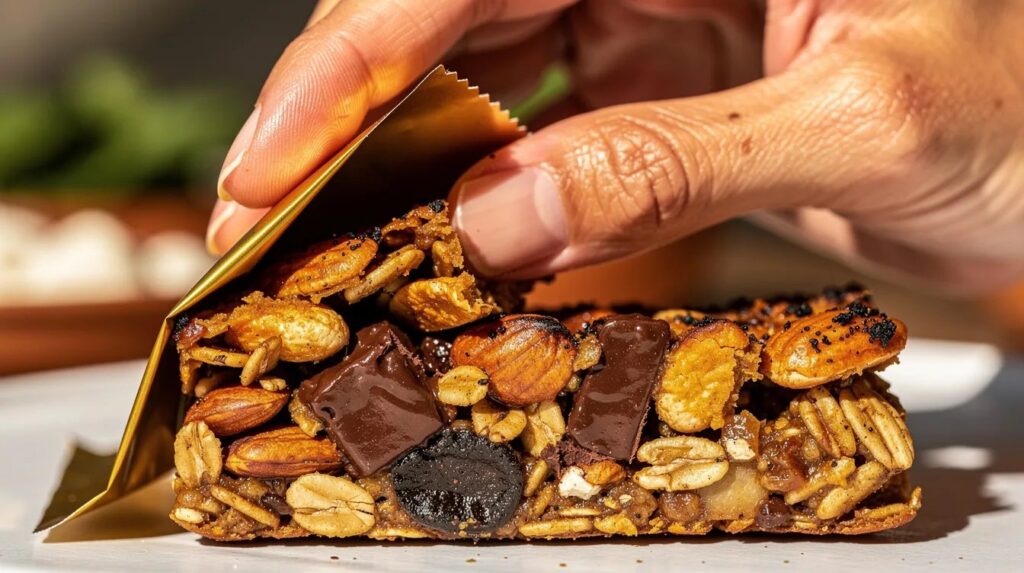
Combine 200 g rolled oats, 50 g puffed rice, 40 g shredded coconut, and 60 g mixed seeds (pepitas, sunflower, sesame) in a large bowl. In a small saucepan, warm 100 g honey, 80 g brown sugar, and 60 g butter until the sugar dissolves. Pour the wet mixture over the dry, stir thoroughly, and press firmly into a lined 20 × 30 cm tin. Bake at 160 °C for 20–25 minutes until the edges turn golden. Cool completely in the tin before slicing into bars. Wrapping each one individually in baking paper makes them perfect for lunchboxes.
Salt and vinegar chips
Slice 4 large potatoes on a mandoline to 1.5 mm — paper thin. Soak the slices in a bowl of 500 ml water mixed with 125 ml white vinegar for 30 minutes. This is where the tang builds, penetrating each slice before it ever meets heat. Drain, pat bone-dry with a clean tea towel, and fry in batches in 180 °C oil until pale gold and rigid. Drain on a wire rack over paper towel, then hit them immediately with fine salt. The vinegar punch is sharper and more honest than anything from a foil packet.
Chocolate-coated digestive biscuits
Whisk together 150 g wholemeal flour, 75 g plain flour, 75 g brown sugar, ½ tsp baking powder, and a pinch of salt. Rub in 100 g cold butter until the mixture resembles coarse sand. Add 2 tbsp milk and bring the dough together. Roll out to 4 mm, cut into rounds, prick all over with a fork, and bake at 170 °C for 14–16 minutes. Once cool, dip the flat side of each biscuit into 150 g melted milk chocolate and set on baking paper, chocolate-side up. Draw wavy lines with a fork before the chocolate sets for that signature pattern.
Salted caramel popcorn
Pop 100 g popcorn kernels in a large covered pot with a splash of oil. In a separate saucepan, melt 100 g butter with 150 g brown sugar and 60 ml golden syrup. Let it bubble without stirring for 4 minutes — the colour will deepen to amber. Remove from heat, stir in ½ tsp bicarbonate of soda (it will foam), then pour immediately over the popcorn and toss with two wooden spoons. Spread on a lined tray, sprinkle with flaky sea salt, and bake at 130 °C for 15 minutes, tossing halfway, for an even, shatteringly crunchy coating.
Fruit roll-ups
Purée 500 g ripe strawberries (or any soft fruit — mango and raspberry both work brilliantly in autumn from frozen) with 1 tbsp honey and 1 tsp lemon juice. Spread the purée in a thin, even layer across a lined baking tray. Dry in the oven at 70 °C with the door slightly ajar for 6–8 hours, or until the surface is tacky but peels away from the paper cleanly. Cut into strips, roll them up in fresh baking paper, and stash them in the pantry. No artificial colour, no mysterious "fruit flavour" — just concentrated fruit.
Savoury pretzels
Dissolve 7 g dried yeast and 1 tsp sugar in 250 ml warm water. Add 375 g bread flour, 1 tsp salt, and 30 g melted butter. Knead for 8 minutes until smooth and elastic, then rest covered for 1 hour. Divide into 12 pieces, roll each into a long rope, and twist into pretzel shapes. The critical step: briefly poach each pretzel in a pot of simmering water spiked with 60 g bicarbonate of soda for 30 seconds per side. This alkaline bath creates the dark, chewy, glossy crust that separates a proper pretzel from a bread roll in disguise. Transfer to a lined tray, brush with beaten egg, scatter coarse salt, and bake at 220 °C for 12–14 minutes.
Barbecue-flavoured rice crackers
Combine 200 g cooked sushi rice (day-old works best, slightly starchy and clumpy) with 1 tbsp soy sauce. Spread it thinly on a lined tray and bake at 150 °C for 50–60 minutes, flipping halfway, until completely dry and crisp. Break into shards. For the coating, toss the shards in a bowl with 1 tsp smoked paprika, ½ tsp onion powder, ½ tsp garlic powder, ¼ tsp cayenne, 1 tsp brown sugar, and a fine mist of oil spray. The seasoning clings to every craggy surface. These keep well in a jar and rival anything in the snack aisle.
Chocolate hazelnut spread
Roast 300 g blanched hazelnuts at 170 °C for 12 minutes until fragrant and deeply golden. While still hot, blitz them in a high-powered food processor. Be patient — the nuts go from crumb to paste to glossy butter over 8–10 minutes of continuous processing, scraping down the sides regularly. Add 50 g cocoa powder, 80 g icing sugar, 1 tbsp vanilla extract, a pinch of salt, and 1 tbsp neutral oil. Process until silky smooth. Pour into a sterilised jar. It tastes nuttier and less cloying than the jarred version, and you know exactly what's in it.
Yoghurt-coated sultanas
Melt 200 g white chocolate and stir in 60 g full-fat Greek yoghurt powder (available from health food shops) and a squeeze of lemon juice. Toss 150 g sultanas through the mixture, then drop small clusters onto baking paper with a fork. Refrigerate until set, about 30 minutes. The tangy coating cracks slightly when you bite in, giving way to the sweet, chewy fruit underneath. Keep refrigerated in a sealed container.
Two-ingredient flatbread crackers
Stir 200 g self-raising flour and 200 g plain Greek yoghurt together until a shaggy dough forms. Knead briefly, divide into golf-ball-sized pieces, and roll each one out as thin as you dare. Brush with olive oil, scatter with sesame seeds, flaky salt, or dried rosemary, and bake at 200 °C for 8–10 minutes until blistered and golden. Snap into irregular shards. These are the sort of crackers you put on a cheese board and watch disappear before dinner even starts.
Chewy choc-chip cookie bites
Cream 100 g softened butter with 80 g brown sugar and 50 g caster sugar. Beat in 1 egg and 1 tsp vanilla. Fold through 180 g plain flour, ½ tsp bicarbonate of soda, a pinch of salt, and 120 g dark chocolate chips. Scoop into small, walnut-sized balls — much smaller than a standard cookie — and bake at 175 °C for 8–9 minutes. Pull them out while the centres still look slightly underdone; they'll firm up and stay chewy as they cool. The bite-size format matches those plastic tubs of mini cookies stacked near the checkout.
Spiced nut mix
Toss 300 g mixed nuts (almonds, cashews, macadamias, pecans) with 1 tbsp olive oil, 2 tsp smoked paprika, 1 tsp ground cumin, ½ tsp cayenne, 1 tbsp maple syrup, and 1 tsp flaky salt. Spread on a lined tray and roast at 160 °C for 15–18 minutes, stirring once, until fragrant and toasted. Let them cool completely on the tray — they crisp as they sit. Using Australian macadamias here adds a buttery richness that imported snack mixes never quite achieve.
Apricot and coconut bliss balls
Process 150 g dried apricots, 100 g desiccated coconut, 80 g rolled oats, 2 tbsp coconut oil, and 1 tbsp honey until the mixture clumps together when pressed. Roll into 20 small balls, then roll half in extra coconut and half in finely chopped pistachios for colour contrast. Refrigerate for 30 minutes to firm. These are the kind of thing you find in the chilled snack section for $8 a pack of six — this batch makes twenty for a fraction of the price.
Corn chips with a chilli-lime twist
Mix 150 g fine polenta (cornmeal), 60 g plain flour, ½ tsp salt, ½ tsp chilli powder, and the finely grated zest of 1 lime. Add 125 ml hot water and 1 tbsp olive oil, and stir until a firm dough forms. Roll between sheets of baking paper to 1–2 mm, cut into triangles, and bake at 180 °C for 12–15 minutes until the edges darken and the chips feel rigid. A squeeze of lime juice over the top while they're still hot cements that tangy hit. Serve alongside guacamole or a simple tomato salsa.
Puffed honey soy chickpeas
Drain and rinse 2 × 400 g tins of chickpeas, then pat very dry — this step matters. Toss with 1 tbsp olive oil and roast at 200 °C for 30–35 minutes, shaking the tray every ten minutes, until golden and audibly crunchy when you shake the pan. While still hot, toss with 1 tbsp soy sauce, 1 tbsp honey, and ½ tsp garlic powder. Return to the oven for 5 minutes to set the glaze. They lose their crunch after a day, so make them the afternoon you plan to eat them — which, given how moreish they are, won't be a problem.
Tips for snack success
Cool completely before storing. Trapping steam in a container is the fastest way to turn a crisp snack soft. Wire racks are your best friend.
Season boldly. Shop-bought snacks rely on salt and flavour enhancers. At home, compensate with quality spices, good salt, and acid — a hit of citrus or vinegar lifts everything.
Invest in baking paper. Nearly every recipe here uses it. Buy it in bulk; your trays will thank you.
Scale and freeze. Cookie dough balls, pretzel dough, and bliss balls all freeze well. Prepare a double batch and bake on demand.
Questions frequently asked
Are homemade snacks actually cheaper than shop-bought?
In most cases, yes — particularly for items like muesli bars, nut mixes, and bliss balls where the markup on packaged versions is steep. A batch of muesli bars costs roughly $4–5 in ingredients and yields 12–16 bars. The equivalent at the supermarket runs $5–6 for six. Crackers and chips are cost-neutral but far superior in flavour and freshness.
How long do these homemade snacks keep?
Dry, baked items like crackers, chips, and cookies stay crisp for up to five days in an airtight container at room temperature. Anything with chocolate coating or yoghurt coating should be refrigerated and consumed within a week. Nut mixes last up to two weeks in a sealed jar. Fruit roll-ups hold for several weeks stored in a cool, dry spot.
Can i make these snacks gluten-free?
Many of them adapt well. The chickpeas, nut mix, bliss balls, popcorn, and fruit roll-ups are naturally gluten-free. For crackers and biscuits, swap plain flour for a quality gluten-free blend — add ½ tsp xanthan gum if your blend doesn't already contain it. Pretzels are trickier, as gluten provides the chewy structure, but a dedicated gluten-free pretzel recipe using tapioca starch can get close.
What's the best way to get things really crispy in a home oven?
Three rules: thin is king, dry is critical, and don't crowd the tray. Slice or roll ingredients as thinly as possible. Remove surface moisture with tea towels or extended drying time. Give each piece space on the tray so hot air circulates freely. For items like chickpeas and rice crackers, a longer bake at a lower temperature drives out moisture more evenly than a quick blast of high heat.
Are these suitable for kids' lunchboxes?
Most of them are ideal. The muesli bars, bliss balls, fruit roll-ups, cookie bites, and yoghurt-coated sultanas are all lunchbox-friendly. For nut-free school environments, swap nuts for seeds (pepitas, sunflower) and use sunflower seed butter in place of peanut butter. Wrap portions individually to keep them fresh until lunchtime.