



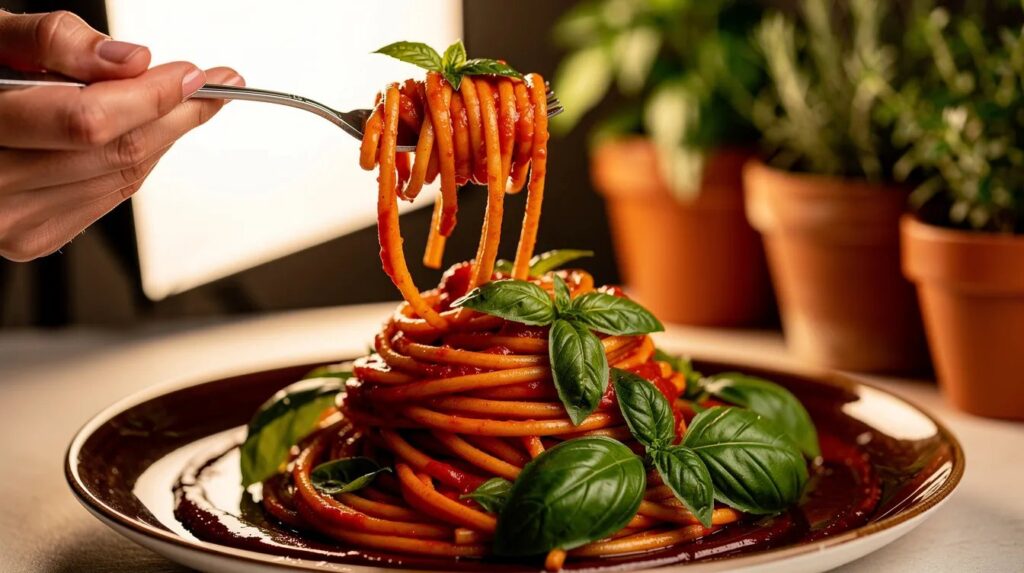
There's a particular comfort in a bowl of pasta that asks almost nothing of you. No fussy techniques, no obscure ingredients tucked away in specialty shops — just a hot pan, a handful of staples, and twenty-odd minutes between you and dinner. That's the promise behind the pasta recipe reportedly favoured by Taylor Swift, a dish that's been circulating online ever since details about the singer's home-cooking habits surfaced in interviews and social media glimpses over the years.
What makes this recipe worth your time isn't celebrity cachet — it's the fact that it genuinely works on a Tuesday night when the fridge is half-bare and motivation is running low. We're talking about a simple lemon-butter pasta with parmesan, fresh herbs, and a whisper of garlic. The kind of dish where each ingredient earns its place and the whole thing comes together before the kettle's had time to cool. Grab your favourite apron and a wide pan — this one rewards confidence over caution.
| Preparation | 10 min |
| Cooking | 15 min |
| Portions | 4 people |
| Difficulty | Easy |
| Cost | $ |
| Season | Year-round; autumn herbs like flat-leaf parsley and thyme shine here in March |
Suits: Vegetarian
Ingredients
- 400 g spaghetti or linguine
- 80 g unsalted butter, cut into cubes
- 3 cloves garlic, finely sliced
- Zest and juice of 2 lemons (unwaxed if possible)
- 80 g parmesan, finely grated, plus extra for serving
- 1 small bunch flat-leaf parsley, leaves picked and roughly chopped
- 2 tablespoons extra-virgin olive oil
- ½ teaspoon dried chilli flakes (optional)
- Fine sea salt and freshly cracked black pepper
Utensils
- Large pot for boiling pasta
- Wide, deep frying pan or sauté pan
- Tongs
- Microplane or fine grater
- Ladle or heatproof cup (for pasta water)
Preparation
1. Salt and boil your pasta water generously
Fill your largest pot and bring it to a rolling boil. Season it until it tastes like the sea — roughly one tablespoon of fine salt per litre. This is the single biggest flavour decision you'll make in the entire recipe, because the pasta absorbs that salted water as it cooks, seasoning itself from the inside out. Drop in the spaghetti, stir once to separate the strands, and cook for one minute less than the packet suggests. You want it al dente — tender but with a firm, slightly chalky bite at the centre — because it will finish cooking in the pan with the sauce. Before you drain, ladle out about 250 ml of starchy pasta water and set it aside. That cloudy, starchy liquid is your secret weapon for building a silky, cohesive sauce.
2. Build the garlic-lemon butter base
While the pasta boils, set your wide pan over medium-low heat. Add the olive oil and half the butter. Once the butter starts to foam — listen for a gentle sizzle, not a roar — scatter in the sliced garlic and the chilli flakes if you're using them. Stir gently for about 60 to 90 seconds. You're looking for the garlic to turn pale gold and translucent, not brown. Browning brings bitterness, and there's no masking it in a dish this simple. As soon as the garlic is fragrant and softened, add the lemon zest. It will hit the hot fat and release a wave of citrus oil — that bright, sharp perfume is exactly what you want. Pull the pan off the heat briefly so nothing scorches while you wait for the pasta to finish.
3. Marry the pasta and the sauce
Using tongs, lift the drained pasta straight into the pan. A little residual water clinging to the strands is a good thing — it helps the sauce come together. Return the pan to medium heat. Add the remaining butter cubes and about 80 ml of the reserved pasta water. Now toss — lift and turn the spaghetti through the melting butter with real energy. This motion, called mantecare in Italian kitchens, emulsifies the butter, starch, and water into a glossy, creamy coating that clings to every strand rather than pooling at the bottom of the bowl. If the sauce looks tight or the pasta seems dry, splash in more pasta water a tablespoon at a time. You're after a consistency that's loose and glossy, almost like a thin custard coating the noodles.
4. Finish with parmesan, lemon juice, and herbs
Pull the pan off the heat. This matters: adding parmesan over direct flame risks it clumping into stringy lumps rather than melting smoothly. Scatter in the grated parmesan and squeeze in the lemon juice. Toss again, vigorously, for another 30 seconds. The cheese should melt into the sauce, thickening it just enough to feel luxurious without becoming heavy. Taste — adjust with salt, more pepper, or an extra squeeze of lemon if the dish needs sharpening. Fold through most of the chopped parsley, saving a small handful for the top. Divide among warm bowls, finish with the reserved parsley, a final grating of parmesan, and a thin drizzle of your best olive oil.
My Chef's Tip
The difference between a good lemon-butter pasta and a great one comes down to temperature control at the very end. Once you add the parmesan and lemon juice, keep the pan off direct heat entirely and work quickly. Residual warmth is enough. If the sauce "breaks" — meaning the butter separates into greasy pools — add a splash of cold pasta water and toss hard. The starch will re-emulsify everything in seconds. As we head into autumn here in Australia, try stirring through a handful of torn rocket or baby spinach at the last moment. The residual heat wilts the leaves just enough, adding a peppery, green contrast that suits the season.
Wine and Drink Pairings
This pasta sits in that bright, citrus-forward, buttery space that calls for a wine with enough acidity to match the lemon without overpowering the delicate parmesan richness.
A crisp Adelaide Hills Sauvignon Blanc — the kind with green apple and herb notes — would be a natural companion, echoing the dish's freshness. A young Vermentino from the Adelaide Plains or Margaret River works beautifully too, with its saline edge and subtle almond finish. If you'd rather skip alcohol, sparkling water with a bruised sprig of rosemary and a thin wheel of lemon mirrors the dish's brightness and keeps the palate refreshed between bites.
More About This Dish
Lemon-butter pasta belongs to a long lineage of Italian pasta in bianco — "white pasta" — a family of dishes built on butter, cheese, and starchy water rather than tomato or meat sauces. Its roots stretch back to the frugal home kitchens of Rome and Naples, where cooks learned to coax richness from almost nothing. The genius lies in the emulsion: butter and pasta water, worked together with heat and movement, create a sauce that tastes far richer than the sum of its parts. It shares DNA with cacio e pepe and pasta al burro, the simple buttered pasta that Sophia Loren once called the most honest meal in Italian cooking.
Taylor Swift has spoken in various interviews about gravitating toward simple comfort food at home — pasta, in particular, appearing as a recurring theme in her off-tour life. The lemon-parmesan variation fits that profile: unfussy, fast, deeply satisfying. What's made this version travel so far beyond celebrity gossip is that it solves a real, universal problem — the midweek dinner gap between ambition and exhaustion. It's the kind of recipe you memorise after cooking it twice, and that's the highest compliment a weeknight dish can earn.
Nutritional Values (per portion, approximate values)
| Nutrient | Amount |
|---|---|
| Calories | ~520 kcal |
| Protein | ~18 g |
| Carbohydrates | ~68 g |
| of which sugars | ~3 g |
| Fat | ~20 g |
| Fibre | ~3 g |
Frequently Asked Questions
Can I prepare this pasta ahead of time?
Lemon-butter pasta is at its best eaten immediately — the emulsion loosens and the lemon flavour dulls as it sits. That said, you can prep all the components in advance: slice the garlic, zest and juice the lemons, grate the parmesan, and chop the parsley. Store them separately in small bowls. When you're ready, the active cooking time is barely ten minutes.
How should I store leftovers?
Transfer any remaining pasta to an airtight container and refrigerate for up to two days. To reheat, warm it gently in a pan over low heat with a generous splash of water and a small knob of butter, tossing constantly. The sauce will need coaxing back into an emulsion — patience and a little extra liquid are your friends here. It won't be quite the same as fresh, but it's still a fine lunch.
What substitutions work well?
Swap parmesan for pecorino romano if you like a sharper, saltier bite. Gluten-free spaghetti works provided you reserve extra pasta water — gluten-free varieties release less starch. For a vegan version, use a good olive oil in place of butter and a plant-based parmesan alternative, though the sauce will be lighter in body. Lime can stand in for lemon if that's what you have — it shifts the flavour toward something slightly more tropical, which pairs well with fresh coriander instead of parsley.
Can I add protein to this dish?
A handful of pan-seared prawns, scattered over the top just before serving, turns this into a more substantial meal without disrupting the balance of the sauce. Shredded roast chicken works too — toss it through with the pasta in the final minute so it warms through. Avoid anything with a strong competing sauce of its own; the whole point of this dish is that the lemon-butter coating does all the talking.
Why does my sauce sometimes turn greasy instead of creamy?
This almost always comes down to heat. If the pan is too hot when you add the butter and pasta water, the emulsion breaks before it forms. Keep the flame at medium or even medium-low during the tossing stage, and don't be shy about pulling the pan off the burner entirely for a few seconds. The starchy pasta water is the binding agent — if you didn't reserve enough, or if your pasta was rinsed after draining, the sauce lacks the starch it needs to hold together.