
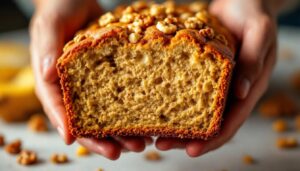



Spring 2026 has barely settled in, and yet one recipe is already dominating every food corner of the internet: cottage cheese flatbread. Three ingredients, no yeast, no resting time, and a protein count that makes nutritionists pay attention. At a moment when light, filling lunches are exactly what the season calls for — fresh salads want a proper base, leftover roasted vegetables deserve a worthy wrap — this flatbread arrives with suspiciously good timing.
The concept is deceptively simple: cottage cheese blended smooth, bound with eggs, seasoned to taste, then baked until firm and pliable. The result is a flatbread that holds its shape, carries toppings without collapsing, and delivers somewhere around 25–30 g of protein per serving — a number that explains, more than any trending sound, why this recipe has been saved millions of times across TikTok. What we propose now is a tested, precise version of the recipe, with enough detail to get it right on the first attempt.
| Preparation | 5 min |
| Cooking | 30–35 min |
| Portions | 2 flatbreads (serves 2) |
| Difficulty | Easy |
| Cost | $ |
| Season | Year-round · Spring toppings: radishes, peas, fresh herbs |
Suitable for: Vegetarian · Gluten-free · High-protein · Low-carb
Ingredients
- 1 cup (225 g) full-fat cottage cheese
- 2 large eggs
- ¼ tsp fine sea salt
Equipment
- Blender or immersion blender
- Baking sheet (half-sheet size, approx. 18 × 13 inches / 46 × 33 cm)
- Parchment paper
- Offset spatula or the back of a spoon
- Oven thermometer (recommended)
Preparation
1. Preheat and line the pan
Set the oven to 350°F (175°C) — conventional heat, not fan-assisted. Fan circulation tends to dry the edges before the center has set, producing a flatbread that cracks rather than bends. While the oven comes to temperature, line a baking sheet with parchment paper. Do not use a silicone mat here: the flatbread needs direct, even contact with a flat surface, and silicone mats can introduce slight unevenness that affects the final texture. If you have an oven thermometer, now is the time to use it — domestic ovens can run 25°F hotter or cooler than the dial suggests, and this recipe is sensitive to that range.
2. Blend the batter
Combine the cottage cheese, eggs, and salt in a blender. Process on high for 30–45 seconds until the mixture is completely smooth — no visible curds, no lumps, a uniformly pale, slightly viscous liquid. This step is not optional. Unblended cottage cheese contains pockets of moisture and uneven density that will cause the flatbread to cook inconsistently, leaving wet patches in the center even after the edges appear done. The blending also incorporates a small amount of air, giving the finished flatbread a slightly lighter, less rubbery structure. If you are using an immersion blender, blend directly in a tall-sided container for at least 60 seconds, scraping down the sides halfway through.
3. Spread and shape
Pour the batter onto the center of the prepared parchment. Using an offset spatula or the back of a large spoon, spread it into a rectangle approximately 12 × 8 inches (30 × 20 cm), keeping the thickness as uniform as possible — aim for about ¼ inch (6 mm) throughout. Thin edges will brown and crisp before the center sets; too thick and the center stays soft and wet. If the batter resists spreading (this can happen if the cottage cheese was particularly cold), let it sit at room temperature for two minutes before continuing. The shape does not need to be perfect — a slightly irregular oval works just as well — but evenness of thickness matters more than geometry.
4. Bake to a firm, pale gold
Slide the baking sheet onto the center rack. Bake for 30–35 minutes, checking at the 25-minute mark. The flatbread is ready when the surface is fully matte — no glossy wet patches — the edges have pulled very slightly from the parchment, and the color is a pale, even gold, not brown. Press the center gently with a fingertip: it should spring back immediately and feel firm, not yielding. If it still feels soft, return it to the oven for another 3–5 minutes. Over-baking past this point produces a flatbread that is too brittle to fold or roll; under-baking leaves a texture closer to scrambled egg than bread.
5. Cool briefly, then top and serve
Remove the flatbread from the oven and let it rest on the pan for 5 minutes before peeling it from the parchment. This short rest allows the internal structure to firm up; pulling it too early risks tearing. Once cooled slightly, the flatbread is ready to be used as a wrap, a pizza base, or an open-face sandwich. For a spring lunch, lay it flat and pile on shaved radishes, blanched peas, a smear of labneh, and torn mint — or fold it in half around sliced grilled chicken and a handful of arugula. It is pliable enough to fold without cracking as long as it has not been over-baked.
Chef's Note
The three-ingredient version is the foundation — but the batter is a blank canvas. A teaspoon of garlic powder and a pinch of dried oregano turn it into something closer to a Mediterranean flatbread. In spring, try folding in two tablespoons of finely chopped fresh chives before spreading: they distribute evenly through the batter and add a mild onion note that pairs well with smoked salmon or soft-boiled eggs. One thing to avoid: adding anything with significant moisture content (fresh tomatoes, grated courgette) directly to the batter — the extra water interferes with setting and extends the baking time unpredictably. Add wet toppings after baking, not before.
What to Serve With It
Cottage cheese flatbread has a neutral, lightly savory profile with a faint dairy undertone — it pairs well with acidic or herbaceous elements that cut through the richness of the cheese. Think pickled vegetables, citrus-dressed greens, or anything with fresh herbs.
For drinks: a glass of chilled sparkling water with a slice of lemon is the obvious spring companion. If you want something more considered, a lightly sparkling natural white wine — a Pét-Nat from the Loire Valley or a low-intervention Grüner Veltliner — echoes the acidity without overwhelming a light lunch. For a non-alcoholic option, a kombucha with a ginger or citrus base works along the same logic.
Where This Recipe Comes From
Cottage cheese flatbread did not emerge from a professional kitchen. It spread organically through short-form video content over the past year or so, shared by home cooks experimenting with high-protein, low-carb alternatives to traditional bread. The concept belongs to a broader wave of "ingredient-minimal" recipes — dishes that strip preparation down to the fewest possible components without sacrificing satisfaction — that has been gaining ground since at least 2023.
Cottage cheese itself has a long history in North American and Eastern European kitchens, valued for its mild flavour, affordability, and impressive protein density (~11 g per 100 g). Its recent return to prominence is partly driven by a renewed interest in whole-food protein sources and partly by a generation of cooks who discovered, through trial and error, that blended cottage cheese behaves remarkably like a light dairy batter when exposed to heat. The flatbread is, in that sense, less a recipe invention than a rediscovery of what this ingredient can do when given a different role.
Nutritional Values (per flatbread, approximate values)
| Nutrient | Amount |
|---|---|
| Calories | ~180 kcal |
| Protein | ~22 g |
| Carbohydrates | ~4 g |
| of which sugars | ~3 g |
| Fat | ~8 g |
| Fiber | ~0 g |
| Sodium | ~370 mg |
Frequently Asked Questions
Can I make this flatbread ahead of time?
Yes — bake the flatbread fully, let it cool to room temperature, then store it between sheets of parchment in an airtight container. It keeps well in the refrigerator for up to 3 days. To reheat, place it flat on a dry skillet over medium heat for 1–2 minutes per side; this restores some of the firmness lost during refrigeration. Avoid microwaving if you plan to use it as a wrap — the texture becomes rubbery and it loses its pliability.
Why did my flatbread come out wet in the middle?
There are three likely causes: the batter was not blended smooth enough and retained moisture pockets from the curds; the flatbread was spread too thick in places; or the oven temperature was lower than indicated. Blend for a little longer, spread more evenly, and use an oven thermometer to verify your actual baking temperature. Extending the bake by 5 minutes at the same temperature usually resolves the issue without drying out the edges.
Can I use low-fat or fat-free cottage cheese?
Technically yes, but the result differs noticeably. Lower-fat versions contain more water and less fat-soluble structure, which means the flatbread takes longer to set, can be more fragile, and has a slightly rubbery finish. Full-fat cottage cheese (~4% fat) produces a more cohesive, pliable flatbread with a better mouthfeel. If low-fat is all you have, drain the cottage cheese through a fine-mesh strainer for 15 minutes before blending to remove excess liquid.
Can I freeze cottage cheese flatbread?
Freezing works, though the texture changes slightly on thawing — the flatbread becomes a little more fragile and less pliable. Freeze individual flatbreads between sheets of parchment in a zip-lock bag for up to 1 month. Thaw at room temperature for 20–30 minutes, then warm briefly in a dry pan or under the broiler for 60 seconds to restore structure. It's best used as a pizza base or open-face sandwich after freezing, rather than as a wrap.
What toppings work best in spring?
This is the flatbread at its most seasonal. Spread it with hummus or ricotta, then pile on whatever is at the market: shaved radishes, blanched English peas, sliced spring onions, watercress, or a soft-boiled egg. A drizzle of good olive oil and flaky sea salt finish it cleanly. If asparagus is in season near you, roast thin spears and lay them lengthwise over a smear of labneh — the combination of protein from the flatbread and the vegetable makes a genuinely complete lunch.