



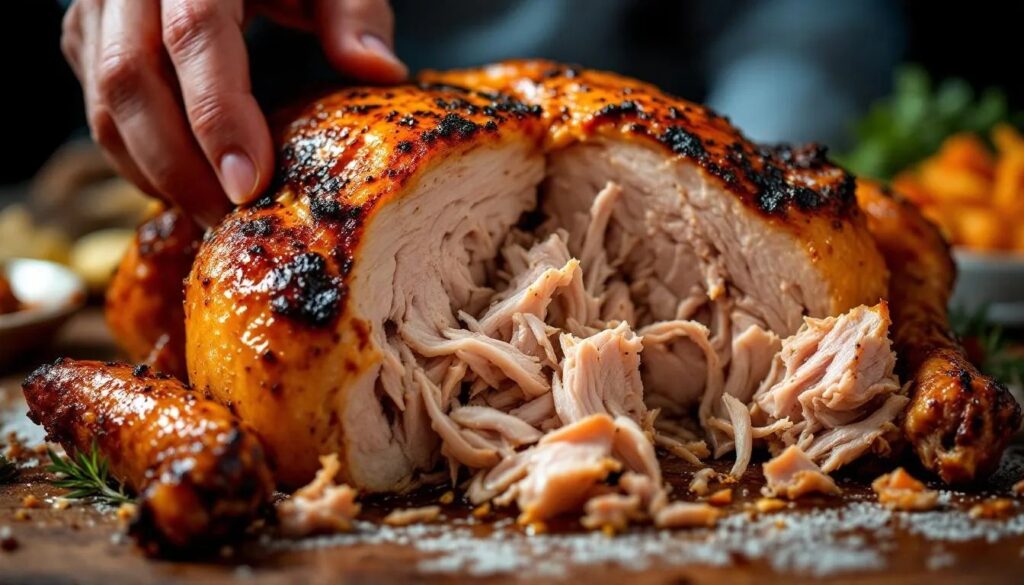
One bird. Five dinners. Four dollars and ninety-nine cents. At a time when grocery bills keep climbing and the question of what's for dinner hits harder every week, the Costco rotisserie chicken has quietly become one of the smartest moves in the American kitchen. Priced at $4.99 since 1999 — a deliberate, almost defiant hold against inflation — this three-pound bird arrives warm, seasoned, and ready to pull apart the moment you walk through the door. Spring is here, and with it a return to lighter cooking: bright salads, fresh herbs, quick stir-fries. The chicken fits every mood.
This isn't about stretching leftovers out of desperation. It's about cooking with intention, pulling each section of the bird toward a different flavor profile, a different texture, a different night. From a creamy weeknight pasta to a spring-forward grain bowl loaded with fresh peas and mint, these five meals treat the rotisserie chicken as a foundation, not an afterthought. Sharpen your knife, pull out your largest cutting board, and let's break this bird down properly.
| Prep time (total across 5 meals) | 15–25 min per meal |
| Cook time | 10–30 min per meal |
| Portions | 2–4 per meal |
| Difficulty | Easy to Medium |
| Cost | $ |
| Season | Spring — asparagus, peas, fresh herbs, lemons |
Suitable for: High-Protein · Dairy-Free options available · Gluten-Free options available
First: Break down the bird correctly
Before any meal gets made, the bird needs to be butchered — separated into useful, purposeful sections. Work while the chicken is still warm; the meat pulls cleanly and loses less moisture than it does cold. Remove the two breasts in one piece each, slicing along the breastbone with a thin, sharp knife. Pull off both leg quarters — thigh and drumstick together — and set them aside. Strip the remaining meat from the carcass with your fingers, especially along the spine and near the oysters, those small rounds of dark meat nestled against the backbone. Do not discard the carcass. Bag it, refrigerate it, and by Sunday it becomes the base of a stock that costs nothing and elevates everything.
Meal 1: Chicken salad sandwich with tarragon and spring celery
Use the breast meat here. Chop it into irregular pieces — some fine, some chunky — so every bite has a different texture. In a mixing bowl, combine the chicken with 3 tablespoons of good mayonnaise, 1 teaspoon of Dijon mustard, 2 stalks of celery finely sliced, and a handful of fresh tarragon leaves torn by hand. Tarragon has a faint anise note that makes chicken salad feel less cafeteria and more deliberate. Season with salt, white pepper, and a squeeze of lemon. Pile onto a toasted brioche bun or thick slices of sourdough. The whole thing takes under ten minutes and holds well refrigerated for two days, making it just as good packed for lunch on Tuesday as it is eaten straight over the kitchen sink on Sunday night.
Meal 2: Creamy rotisserie chicken pasta
This is a weeknight workhorse. Cook 12 oz of rigatoni or penne in heavily salted boiling water until just short of al dente — firm to the bite with a thin white line at the center when cut. Reserve one full cup of pasta water before draining. In a wide skillet over medium heat, soften 3 cloves of garlic in 2 tablespoons of butter until pale gold. Add ½ cup of heavy cream and let it reduce by one third. Add shredded chicken — the thigh meat works especially well here, darker and more unctuous than breast — and fold it through the sauce. Add the drained pasta directly into the skillet, splash in pasta water gradually until the sauce coats every ridge. Finish with a generous handful of grated Parmesan, a crack of black pepper, and flat-leaf parsley. From water boiling to table: under 25 minutes.
Meal 3: Spring grain bowl with peas, feta, and mint
This is where the season earns its place on the plate. Cook 1 cup of farro or quinoa according to package instructions. While it's warm, fold in 1 cup of fresh or frozen peas (thawed if frozen, blanched for 90 seconds if fresh), ½ cup of crumbled feta, a handful of torn fresh mint, and the zest of one lemon. Slice the reserved breast or thigh meat thinly against the grain and arrange it over the grains. Dress the bowl with 2 tablespoons of extra-virgin olive oil, the juice of half a lemon, a pinch of red pepper flakes, and flaky salt. The contrast between the warm grains, cool mint, salty feta, and the slightly smoky chicken skin from the rotisserie works in every direction. This bowl keeps well overnight; the grains absorb the dressing and become more flavorful by the next day.
Meal 4: Chicken tacos with quick pickled red onion
Pull all remaining meat — a mix of dark and white — and warm it in a dry skillet over medium-high heat for two minutes, just to crisp the edges. Season with 1 teaspoon of cumin, ½ teaspoon of smoked paprika, and a pinch of garlic powder. While the chicken heats, make a quick pickle: slice ½ red onion paper-thin and submerge it in ¼ cup of white wine vinegar, 1 teaspoon of sugar, and a pinch of salt. Let it sit for at least ten minutes. The onion softens, turns a vivid pink, and loses its sharp bite. Warm corn tortillas directly over a gas flame or in a dry cast iron pan until lightly charred. Build each taco with chicken, pickled onion, sliced avocado, a spoon of sour cream or crema, and fresh cilantro. Simple, fast, and genuinely satisfying.
Meal 5: Chicken and vegetable soup from the carcass
The fifth meal costs almost nothing beyond time. Place the reserved carcass in a large pot with 1 halved onion, 2 carrots, 2 celery stalks, 3 smashed garlic cloves, a bay leaf, and a few black peppercorns. Cover with 10 cups of cold water. Bring slowly to a boil, then reduce to a gentle simmer — the surface should shiver, not roll. Skim the foam that rises in the first ten minutes. After 90 minutes the stock is deep gold and fragrant. Strain it, discard the solids, and return the liquid to the pot. Add diced carrots, celery, and whatever vegetables are on hand — spring is the moment for asparagus tips and green onions. Add ½ cup of small pasta or orzo, cook until tender, and fold in any last scraps of chicken meat pulled from the carcass. Season with salt, lemon juice, and dill. The $4.99 bird just produced its fifth meal.
Chef's note
The single biggest mistake people make with rotisserie chicken is refrigerating it whole and attacking it cold. Work with the bird while it's still warm from the store — the meat separates more cleanly, retains more juice, and the skin peels back without tearing the underlying flesh. If you've already refrigerated it, bring it to room temperature for 20 minutes before breaking it down. And always keep the skin: rendered in a dry pan for two minutes, it becomes crispy, fatty crumbles that elevate a salad, a grain bowl, or a bowl of soup in a way no crouton can replicate.
Nutritional values (per serving, approximate values)
| Nutrient | Amount |
|---|---|
| Calories (rotisserie chicken, 3.5 oz) | ~190 kcal |
| Protein | ~27 g |
| Carbohydrates | ~1 g |
| of which sugars | ~0 g |
| Fat | ~9 g |
| Fiber | ~0 g |
| Sodium | ~360 mg |
The Costco rotisserie chicken: a brief history of a kitchen staple
Costco has sold its rotisserie chicken at $4.99 since 1999, a price point it has famously refused to raise despite decades of food cost inflation. The warehouse giant reportedly loses money on each bird — it's estimated to cost more to produce than the retail price — treating it as a loss leader, a product priced below cost specifically to draw shoppers deeper into the store. It works. Roughly 100 million rotisserie chickens are sold annually through Costco's U.S. locations, according to figures the company has cited publicly. In 2019, Costco went so far as to build its own poultry processing facility in Nebraska to maintain control over supply and hold the price steady. The bird has become something close to a cultural institution: referenced in personal finance discussions, meal prep communities, and home cooking circles alike.
The appeal goes beyond the price. At approximately 3 pounds of cooked, well-seasoned meat, it delivers more usable protein per dollar than nearly any other ready-cooked protein at retail. The seasoning — paprika, garlic, salt — is calibrated to work with a wide range of cuisines without overpowering them. It works in Italian pasta, Mexican tacos, Middle Eastern grain bowls, and American sandwiches with equal ease. That versatility, combined with its consistent quality and price, has made it a fixture in the weekly shopping routines of millions of American households.
Frequently asked questions
How long does the rotisserie chicken stay fresh in the refrigerator?
Stored in an airtight container, cooked rotisserie chicken keeps well in the refrigerator for 3 to 4 days. Pull and portion the meat the day you buy the bird — storage is easier and the meat stays moister when broken down before refrigerating rather than stored whole. If you're planning to spread meals across a full week, freeze portions of the meat on day one and thaw as needed.
Can you freeze rotisserie chicken meat?
Yes, and it freezes well. Shred or chop the chicken into portions sized for one meal, place in zip-lock freezer bags with as much air removed as possible, and freeze for up to 3 months. Thaw overnight in the refrigerator, not at room temperature. Frozen chicken can go directly into soups and sauces from frozen if the cooking time is long enough to heat it through completely.
Is the sodium content in the rotisserie chicken a concern?
Costco's rotisserie chicken contains approximately ~460 mg of sodium per 3 oz serving of the seasoned skin-on meat — a meaningful amount if sodium intake is being monitored. Removing the skin before eating significantly reduces the sodium load, since much of the salt is concentrated there. When using the chicken in dishes that include additional salt, like pasta or soup, it's a good idea to season the final dish carefully and taste before adding more salt.
What's the best way to reheat rotisserie chicken without drying it out?
Avoid the microwave for large pieces — it drives out moisture quickly and makes the breast meat chalky. The better method: place the chicken pieces in an oven-safe dish, add a splash of chicken stock or water, cover tightly with foil, and warm at 325°F (160°C) for 15–20 minutes. For shredded meat going into a sauce or soup, adding it directly to the warm liquid off heat and letting it come to temperature passively preserves the most moisture.
Are there meals suited for kids that work with rotisserie chicken?
The chicken salad sandwich and the pasta are consistently reliable with younger eaters — familiar flavours, easy textures, no strong spices. The grain bowl adapts well too: skip the red pepper flakes, increase the feta, and add sweet corn alongside the peas. The taco format works particularly well for children who like to build their own plates, which increases the odds they'll actually eat what's in front of them.