



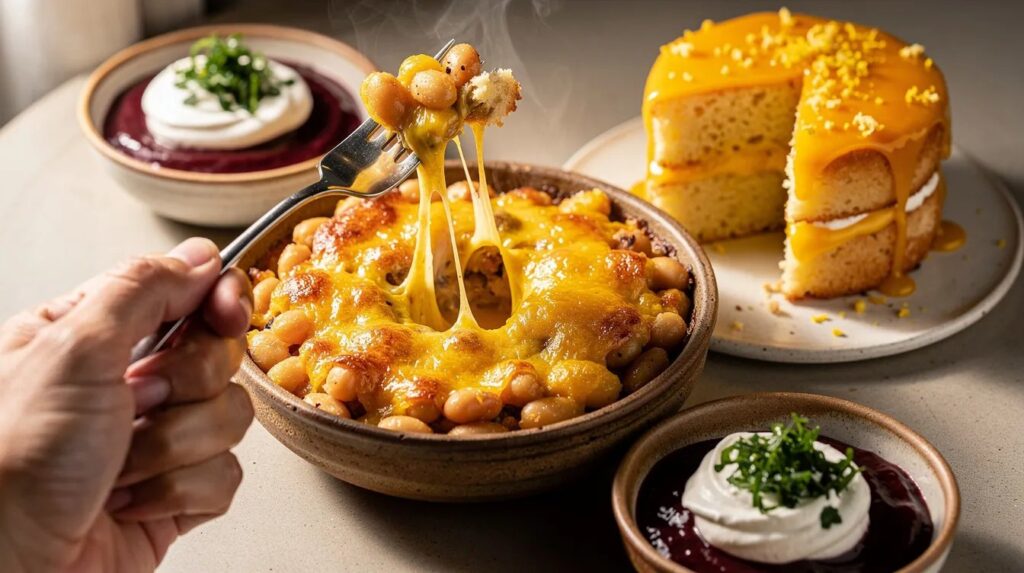
Every week, thousands of readers bookmark recipes that catch their eye — the ones that make them stop scrolling, mentally taste the dish, and think that's dinner sorted. This week's most-saved collection tells a story of comfort meeting simplicity: a cheesy bean bake with a bubbling golden crust, a lemon drizzle cake sharp enough to cut through any grey afternoon, and a handful of other dishes that earned a permanent spot in kitchen rotations across the country.
What ties these recipes together isn't a single cuisine or technique. It's a shared quality — each one delivers more than the sum of its parts. Affordable ingredients, minimal fuss, maximum flavour. With autumn settling into Australia this March, the lean toward warming bakes and bright citrus makes perfect sense. The season is asking for exactly this kind of cooking: hearty enough for cooler evenings, bright enough to remind you the sun hasn't gone anywhere. Here's what our readers reached for this week, starting with the dish that topped the list.
Cheesy bean bake
This is the recipe that dominated saves this week, and it's easy to see why. A cheesy bean bake sits at the crossroads of weeknight speed and weekend satisfaction — the kind of dish you assemble in twenty minutes but eat like it took all afternoon. Cannellini beans and red kidney beans form the base, simmered in a smoky tomato sauce seasoned with paprika, cumin, and a touch of Worcestershire sauce. The whole thing gets topped with a thick layer of grated cheddar and a scattering of breadcrumbs, then baked until the cheese pulls in long, molten strings and the edges turn dark and crisp.
| Preparation | 15 min |
| Cooking | 30 min |
| Portions | 4 people |
| Difficulty | Easy |
| Cost | $ |
| Season | Autumn — tinned beans, root vegetables, hearty greens |
Suits: Vegetarian · High in fibre · High in protein
Ingredients
- 2 × 400 g tins cannellini beans, drained and rinsed
- 1 × 400 g tin red kidney beans, drained and rinsed
- 1 × 400 g tin crushed tomatoes
- 1 brown onion, finely diced
- 3 cloves garlic, minced
- 2 tsp smoked paprika
- 1 tsp ground cumin
- 1 tbsp Worcestershire sauce (use a vegetarian version if preferred)
- 1 tbsp olive oil
- 200 g cheddar cheese, coarsely grated
- 40 g breadcrumbs (panko or day-old sourdough, blitzed)
- Salt and black pepper to taste
- Small handful of flat-leaf parsley, roughly chopped, to finish
Ustensils
- Large ovenproof skillet or 2-litre baking dish
- Heavy-based saucepan
- Box grater
Preparation
1. Build the smoky bean base
Preheat the oven to 200 °C (fan-forced). Set a heavy-based saucepan over medium heat and add the olive oil. Once it shimmers — not smoking — tip in the diced onion with a pinch of salt. Cook for 5–6 minutes, stirring occasionally, until the onion turns translucent and its edges just begin to colour. Add the garlic, smoked paprika, and cumin. Stir constantly for 30 seconds; the spices should hit the oil and release a deep, earthy fragrance. This brief blooming — toasting ground spices in fat — is what transforms them from dusty and flat into warm and aromatic. Pour in the crushed tomatoes and Worcestershire sauce. Let the sauce simmer for 8–10 minutes, stirring now and then, until it thickens and clings to the back of a spoon rather than running off it. Fold through all three beans gently. You want them coated, not crushed.
2. Assemble and top
Transfer the bean mixture to a 2-litre baking dish, spreading it into an even layer. If you've been cooking in an ovenproof skillet, stay right where you are — one less dish to wash. Scatter the grated cheddar across the surface in a thick, even blanket, making sure it reaches the edges. The edges are where the cheese will catch and crisp into those dark, lacy bits everyone fights over. Sprinkle the breadcrumbs on top. They'll act as a barrier that keeps the cheese from simply melting flat, creating pockets of crunch throughout.
3. Bake until golden and bubbling
Slide the dish onto the middle rack and bake for 18–22 minutes. You're looking for three signs it's ready: the sauce should be visibly bubbling up around the edges, the cheese should be molten and golden with spots of deeper bronze, and the breadcrumbs should feel audibly crisp if you tap them with a spoon. Remove from the oven and let it sit for 5 minutes. This brief rest allows the sauce to settle and thicken slightly, making it easier to serve without the whole thing sliding across the plate. Finish with a scattering of torn parsley.
My Chef's Tip
Stir a tablespoon of miso paste into the tomato sauce just before you add the beans. It won't taste "Japanese" — it will taste deeper, rounder, more savoury, amplifying the umami that the cheese brings from above. As we move into cooler autumn weeks, consider adding a layer of thinly sliced sweet potato beneath the beans before baking. It cooks through in the same time, soaks up the sauce, and turns the bake into a complete one-dish meal.
Wine and drink pairings
The smoky paprika and rich cheese call for something with enough fruit to match but enough acidity to cut through. A medium-bodied Grenache from the Barossa or McLaren Vale works well — look for one with red berry fruit and a savoury, peppery finish rather than heavy oak. For a lighter option, a chilled dry rosé provides contrast without competing. If you're skipping alcohol, sparkling water with a long squeeze of lime and a pinch of salt mirrors the bright-acid-savoury balance the dish needs.
About this dish
Bean bakes have deep roots in peasant cooking traditions across Europe and the Americas — from French cassoulet to Mexican frijoles refritos gratinados to the British baked-beans-on-toast impulse. The Australian version tends to draw from all of these without pledging allegiance to any single one, which is part of its appeal. It's pantry cooking at its most democratic: whatever beans you have, whatever cheese needs using up, whatever spices are within arm's reach.
The trend of bean-forward cooking has grown steadily in Australia, driven partly by cost — tinned beans remain one of the cheapest sources of protein and fibre on supermarket shelves — and partly by a broader shift toward eating less meat without making a performance of it. This bake doesn't announce itself as "plant-based." It simply is, and it happens to be deeply satisfying.
Nutritional values (per portion, approximate values)
| Nutrient | Amount |
|---|---|
| Calories | ~420 kcal |
| Protein | ~26 g |
| Carbohydrates | ~40 g |
| of which sugars | ~6 g |
| Fat | ~16 g |
| Fibre | ~12 g |
Lemon drizzle cake
The second most-saved recipe this week needs little introduction to anyone who has stood in a café queue in Sydney, Melbourne, or anywhere in between. Lemon drizzle cake is one of those rare bakes that transcends trendiness. It appeared on afternoon tea tables decades ago and it will appear on them decades from now, because its formula is close to perfect: a soft, buttery sponge, a sharp lemon syrup poured on while the cake is still warm so it seeps into every pore, and a thin, crackly glaze on top that shatters when you press a fork through it.
What makes a lemon drizzle worth saving rather than scrolling past? Precision in the ratios. Too much sugar in the syrup and you get a sticky, cloying sponge. Too little lemon and the whole thing just tastes like butter cake with ambition. This week, readers bookmarked the version that strikes the best balance: the syrup is made with equal parts lemon juice and caster sugar, nothing more, and the zest of three full lemons goes into the batter itself, so the citrus flavour comes from the inside out rather than just sitting on the surface.
| Preparation | 15 min |
| Cooking | 45 min |
| Cooling | 30 min |
| Portions | 8–10 slices |
| Difficulty | Easy |
| Cost | $ |
| Season | Autumn lemons, last of the season's citrus |
Ingredients
For the sponge
- 225 g unsalted butter, softened
- 225 g caster sugar
- 4 large eggs, room temperature
- 225 g self-raising flour
- Zest of 3 lemons
- 2 tbsp milk
- Pinch of fine salt
For the drizzle
- Juice of 3 lemons (~80 ml)
- 80 g caster sugar
For the glaze (optional)
- 100 g icing sugar
- 1–2 tbsp lemon juice
Preparation
1. Cream and fold
Preheat the oven to 170 °C (fan-forced). Grease and line a 900 g loaf tin with baking paper, leaving a slight overhang on the long sides — this makes lifting the finished cake out far simpler. Beat the softened butter, caster sugar, and lemon zest together for 4–5 minutes until the mixture is pale, fluffy, and noticeably increased in volume. The zest should be fully distributed through the butter, releasing its oils. Add the eggs one at a time, beating well after each. If the mixture looks like it's splitting — curdled and watery — add a tablespoon of the measured flour and keep beating. It will come back together. Sift in the flour and salt, then fold with a large metal spoon using a figure-eight motion. Add the milk last. The batter should fall off the spoon in thick, reluctant ribbons.
2. Bake low and slow
Scrape the batter into the prepared tin and smooth the surface with the back of the spoon, creating a very slight channel down the centre — this encourages the cake to rise evenly rather than doming sharply. Bake for 40–45 minutes. The cake is done when the top is a deep golden colour, the edges have pulled away from the tin by a millimetre or two, and a skewer inserted into the centre comes out clean or with just a few moist crumbs clinging to it. Do not open the oven door during the first 30 minutes.
3. Drizzle while hot
While the cake bakes, stir the lemon juice and caster sugar together in a small bowl. Do not heat it — the sugar should remain slightly granular. This is deliberate. When poured over the hot cake, the sugar partially dissolves into the sponge while the remaining crystals set into a gritty, sweet-sour crust on the surface. The moment the cake comes out of the oven, poke 20–30 holes across the top using a skewer or fork. Spoon the drizzle over slowly, letting each addition soak in before adding the next. The cake will hiss faintly. Let it cool completely in the tin.
4. Glaze and serve
Once cool, lift the cake out using the paper overhang. If using the icing glaze, whisk the icing sugar with lemon juice a teaspoon at a time until you have a thick but pourable consistency. Drizzle it across the top in irregular lines. Let it set for 10 minutes before slicing. The cake keeps well in an airtight container for up to 4 days — it actually improves on day two as the syrup continues to permeate the crumb.
My Chef's Tip
Use a Microplane to zest the lemons and press firmly enough to get the bright yellow layer but stop before you hit the white pith beneath. Pith is where bitterness lives. If autumn lemons are particularly tart — and late-season fruit often is — add a teaspoon of lemon curd to the batter for a rounder, more concentrated citrus note without extra sugar.
Drink pairings
A lemon drizzle cake pairs naturally with strong black tea — the tannins in English Breakfast or a quality Ceylon cut through the butter and sugar beautifully. For something more indulgent, a late-picked Riesling from the Clare or Eden Valley, served slightly chilled, echoes the cake's citrus while adding its own floral notes. A simple lemon and thyme tisane also works, keeping the flavour conversation coherent from cup to plate.
Nutritional values (per slice, approximate values, based on 10 slices)
| Nutrient | Amount |
|---|---|
| Calories | ~340 kcal |
| Protein | ~5 g |
| Carbohydrates | ~44 g |
| of which sugars | ~28 g |
| Fat | ~17 g |
| Fibre | ~1 g |
More recipes readers saved this week
Roasted pumpkin and sage risotto
Autumn pumpkin — Kent or Jap, roasted until its edges caramelise — stirred through a classic risotto with crisp sage leaves and a generous hand of Parmigiano. Readers loved this one for its ability to feel luxurious on a weeknight budget. The technique of roasting the pumpkin separately, rather than adding it raw to the rice, preserves its structure and concentrates its sweetness. The sage leaves, fried in butter for 30 seconds until they darken and go brittle, add a savoury crunch that contrasts the creamy rice beneath.
One-tray chicken thighs with fennel and lemon
Bone-in, skin-on chicken thighs roasted on a bed of sliced fennel, lemon wedges, and olives. The fennel softens and almost melts into the pan juices while the chicken skin goes shatteringly crisp. This recipe earned saves for its simplicity — everything goes on one tray, into a 200 °C oven, and emerges 40 minutes later with almost no intervention required. A handful of readers noted they added halved kipfler potatoes to the tray to make it a complete meal.
Spiced apple and oat crumble
Pink Lady apples — still abundant at markets as autumn starts — tossed with cinnamon, a pinch of ground ginger, and brown sugar, then buried under a rubble of oats, butter, and demerara sugar. The crumble topping is deliberately rough and uneven, with some patches thick and sandy and others thin enough to let the fruit bubble through. Served with cold double cream or a scoop of vanilla bean ice cream that begins to pool into the hot fruit within seconds. Readers flagged this as the sort of recipe that takes ten minutes to put together and receives compliments far exceeding the effort involved.
Why these recipes resonated
There's a pattern in the recipes readers save at this time of year. As daylight hours shorten and the first properly cool evenings arrive across southern Australia, the collective appetite pivots. Salads and raw preparations step back. Bakes, roasts, and anything involving melted cheese or warm spices step forward. The dishes saved this week all share a common architecture: minimal preparation, a period of oven time where the cook is free to do something else, and a result that smells extraordinary before it even reaches the table.
Cost also plays a role. Tinned beans, lemons, pumpkin, chicken thighs, apples — none of these require a trip to a specialty grocer. They sit in every supermarket, every week, at prices that haven't moved dramatically. At a time when grocery costs remain a real concern for many households, recipes that deliver satisfaction from affordable staples aren't just popular—they're practical. And practical, at least this week, is what readers want most.
Frequently asked questions
Can the cheesy bean bake be made ahead?
Assemble the entire dish up to the point of adding the cheese and breadcrumbs, then cover and refrigerate for up to 24 hours. When ready to bake, add the topping and cook straight from the fridge, adding an extra 5–8 minutes to the oven time. The sauce may be slightly thicker after refrigeration, which actually helps it hold together better once baked.
How should leftovers be stored?
The bean bake keeps in an airtight container in the fridge for 3 days. Reheat portions in the oven at 180 °C for 10–12 minutes rather than microwaving — the microwave will soften the breadcrumb crust. The lemon drizzle cake stores well at room temperature, wrapped tightly, for up to 4 days. It can also be frozen in slices for up to 2 months.
What substitutions work for the bean bake?
Almost any tinned bean works here — butter beans, borlotti, black beans, or chickpeas all bring slightly different textures but the same satisfying heft. For a vegan version, swap the cheddar for a plant-based cheese that melts well, or skip cheese entirely and top with a thick layer of seasoned breadcrumbs mixed with nutritional yeast and a drizzle of olive oil. Smoked paprika can be replaced with chipotle paste for a deeper, smokier heat.
Can the lemon drizzle cake be made gluten-free?
Replace the self-raising flour with a gluten-free self-raising blend at a 1:1 ratio. Add half a teaspoon of xanthan gum if your blend doesn't include it — this helps bind the crumb and prevents the cake from being too fragile. The texture will be slightly denser but the lemon syrup compensates by keeping the sponge moist throughout.
Why do some of these recipes call for room-temperature eggs?
Cold eggs can cause the butter-sugar mixture to seize and split, resulting in a batter that looks curdled and a cake with an uneven crumb. Room-temperature eggs — left out for 30 minutes before use, or warmed gently in a bowl of lukewarm water for 5 minutes — emulsify more smoothly into the batter, producing a lighter, more consistent sponge.