

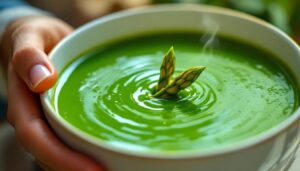
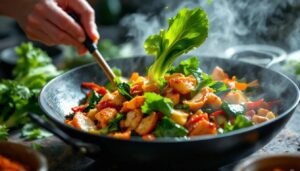
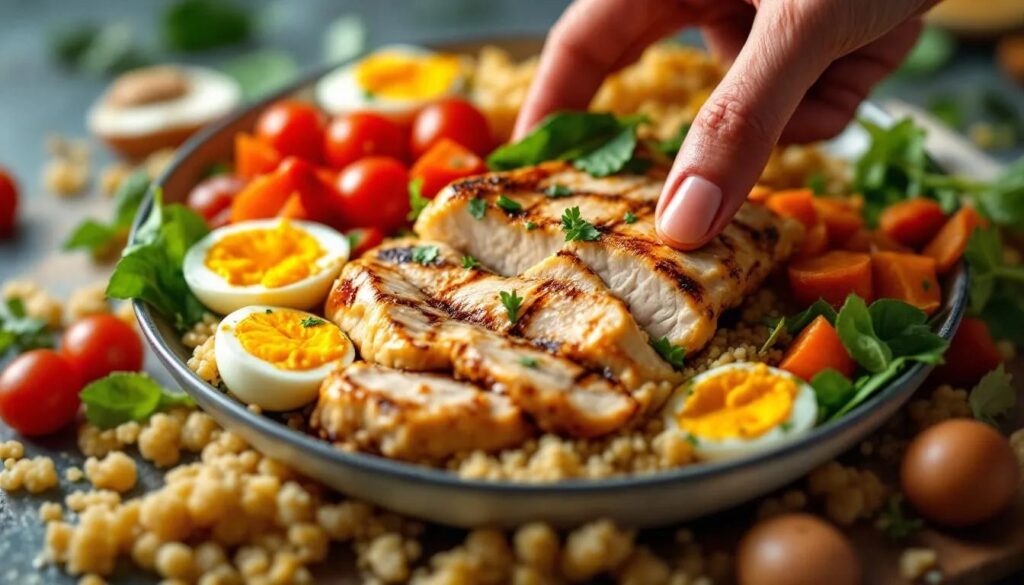
April arrives with longer days, lighter cravings, and a quiet motivation to eat a little better – but weekday lunches still have a way of collapsing into whatever's fastest. Spring peas are showing up at the farmers' market, asparagus is at its peak, and yet most people grab the same sad sandwich or skip eating altogether. A registered dietitian's weekly meal prep routine solves this without turning Sunday into a second job. These five lunches are built around real protein – not protein powder, not supplements – and they hold up in the fridge for four to five days without turning grey or soggy.
Each of these lunches clears at least 30 grams of protein per serving, stays under thirty minutes of active prep time, and uses produce that's genuinely worth buying right now in early spring. The approach is modular: cook a few components in parallel, assemble differently throughout the week so Monday doesn't taste like Friday. Grab your containers and set aside two hours on Sunday – that's all it takes.
| Active prep time | ~90–120 min total (all 5 lunches) |
| Portions | 5 lunches × 1 serving each |
| Difficulty | Easy |
| Cost | $$ |
| Season | Spring — asparagus, snap peas, radishes, eggs, fresh herbs |
Suitable for: High-protein · Gluten-free adaptable · Dairy-free adaptable
Why a dietitian builds lunches this way
The logic behind a high-protein lunch isn't aesthetic – it's functional. Protein slows gastric emptying, which means blood sugar rises more gradually after eating and holds steadier through the afternoon. For anyone who finds themselves raiding the snack drawer by 3 p.m., that mechanism matters more than any supplement stack. A registered dietitian's weekly prep isn't about restriction; it's about building a midday meal that actually does its job so the rest of the day doesn't unravel.
The five lunches below rotate protein sources intentionally: eggs, fatty fish, legumes, lean poultry, and Greek yoghurt each bring a different amino acid profile and a different set of micronutrients alongside. Variety across the week also means the gut microbiome gets a broader range of inputs – something emerging nutrition research keeps pointing back to as more significant than previously understood.
Lunch 1 — Smashed white bean & tuna bowl with roasted asparagus
Ingredients (1 serving)
- ½ cup canned white beans (cannellini), drained and rinsed
- 1 can (5 oz) wild-caught tuna in olive oil, drained
- 6 asparagus spears, woody ends snapped off
- 1 tbsp extra-virgin olive oil
- 1 tsp Dijon mustard
- Juice of ½ lemon
- 1 small garlic clove, minced
- Sea salt, cracked black pepper
- Fresh flat-leaf parsley, roughly torn
Method
Toss the asparagus with olive oil, a pinch of salt, and roast at 425°F (220°C) for 10–12 minutes until the tips are just crisped and the stalks yield easily to a fork – they should still hold colour, not turn olive-drab. While they roast, use a fork to roughly smash the white beans in a bowl; you want texture, not a paste. Stir in the Dijon, lemon juice, garlic, and a thread of olive oil. Fold in the tuna without breaking it down completely – flakes, not mush. Lay the asparagus alongside, scatter parsley, and close the container. The lemon keeps things bright through Thursday.
Approximate protein: ~42 g per serving
Lunch 2 — Greek yoghurt chicken salad lettuce cups
Ingredients (1 serving)
- 5 oz cooked chicken breast, shredded or diced
- 3 tbsp plain full-fat Greek yoghurt
- 1 tsp whole-grain mustard
- 2 tbsp finely diced celery
- 1 tbsp dried cranberries (unsweetened if possible)
- 1 tbsp toasted pumpkin seeds
- Salt, white pepper
- 4 large butter lettuce leaves (packed separately for transport)
Method
Combine the Greek yoghurt and mustard first – this is the binding agent, and it does everything mayonnaise does with a fraction of the saturated fat and nearly twice the protein. Fold in the chicken, celery, cranberries, and half the pumpkin seeds. Taste and season. Pack the lettuce leaves separately in a dry paper towel so they stay crisp; the filling goes in its own container. At lunch, spoon the mix into the leaves and scatter the remaining pumpkin seeds for crunch. Takes ninety seconds to assemble.
Approximate protein: ~38 g per serving
Lunch 3 — Spiced lentil soup with a soft-boiled egg
Ingredients (1 serving, scale up for batch)
- ½ cup red lentils, rinsed
- 1¾ cups low-sodium vegetable broth
- ½ tsp ground cumin
- ¼ tsp smoked paprika
- ¼ tsp ground turmeric
- 1 small tomato, diced (or 3 tbsp canned crushed tomato)
- 1 garlic clove, minced
- ½ tsp olive oil
- 2 large eggs
- Fresh coriander or mint, to finish
Method
Sweat the garlic in olive oil over medium heat for about 60 seconds – just until fragrant, not coloured. Add the spices and let them bloom (toast briefly in the fat to activate fat-soluble aromatic compounds) for another 30 seconds. Add the lentils, tomato, and broth, bring to a simmer, and cook uncovered for 18–20 minutes until the lentils have dissolved into a thick, rust-coloured soup. Red lentils break down without soaking – that's what makes them ideal for a fast prep. Meanwhile, bring a small pot of water to a gentle boil, lower the eggs in carefully, and cook for exactly 7 minutes for a fully set white with a centre that's just jammy. Transfer immediately to an ice bath to stop cooking. Peel, halve, and pack on top of the soup. The soup thickens overnight – loosen with a splash of water when reheating.
Approximate protein: ~30 g per serving
Lunch 4 — Salmon & snap pea rice bowl with sesame ginger dressing
Ingredients (1 serving)
- 4 oz cooked salmon fillet (baked or pan-seared Sunday)
- ½ cup cooked brown rice or farro
- ½ cup snap peas, raw or blanched 90 seconds
- 3 radishes, thinly sliced
- 1 tbsp low-sodium soy sauce or tamari
- 1 tsp toasted sesame oil
- 1 tsp fresh ginger, grated
- 1 tsp rice vinegar
- ½ tsp honey
- 1 tsp black sesame seeds
Method
Whisk together the soy sauce, sesame oil, ginger, rice vinegar, and honey – this dressing keeps in the fridge all week, so make a triple batch. Layer the rice in the container first, add the snap peas and radishes, then flake the salmon over the top. Keep the dressing in a small jar on the side and pour it over at lunchtime so the rice doesn't absorb everything overnight and turn dense. Snap peas are at their spring best right now – they have a sweetness and snap that frozen peas simply can't replicate. The radishes add a peppery brightness and hold their crunch for days.
Approximate protein: ~36 g per serving
Lunch 5 — Turkey & vegetable egg muffins with cottage cheese
Ingredients (makes 6 muffins — 2 per serving × 3 servings, or 3 per serving × 2 servings)
- 6 large eggs
- 3 oz lean ground turkey, cooked and crumbled
- ¼ cup diced red bell pepper
- 2 tbsp diced scallion
- ¼ tsp garlic powder
- Salt, black pepper
- Olive oil spray (for the muffin tin)
- ¾ cup full-fat cottage cheese (served alongside)
Method
Preheat the oven to 375°F (190°C). Whisk the eggs thoroughly – you're looking for a uniform pale yellow with no visible white streaks. Season with garlic powder, salt, and pepper. Spray a standard 6-cup muffin tin generously; silicone moulds release more cleanly and are worth using here. Distribute the cooked turkey, pepper, and scallion evenly across the cups, then pour the egg mixture over to about three-quarters full. Bake for 18–20 minutes until the centres are just set – a slight dome forms and the edges pull away from the tin. They deflate a little on cooling, which is normal. Pair two or three muffins per serving with cottage cheese on the side; the combination drives protein above 35 grams and adds a creamy contrast to the firm-textured muffins.
Approximate protein: ~35 g per serving (3 muffins + ¾ cup cottage cheese)
The dietitian's Sunday prep order
Efficiency here comes from running things in parallel rather than sequentially. Start the oven for the asparagus and egg muffins at the same time. While they bake, cook the lentil soup on the stovetop and get the brown rice going in a second pot. Poach or bake the salmon last since it's the quickest. The chicken for Lunch 2 can be rotisserie – no shame in that shortcut, and the sodium is manageable if you're not salting everything else heavily. Total active time works out to around 90 minutes for all five lunches; the oven and stovetop carry most of the effort while you prep other components at the counter.
Pack each lunch in a glass container with a secure lid – glass doesn't absorb odours or leach anything into acidic dressings, and it goes directly from fridge to microwave without a second dish. Label with the day of the week if decision fatigue is a real factor on Tuesday morning. It is for most people.
Nutritional overview (approximate values)
| Lunch | Calories | Protein | Carbs | Fat |
|---|---|---|---|---|
| White bean & tuna bowl | ~420 kcal | ~42 g | ~28 g | ~14 g |
| Greek yoghurt chicken salad | ~370 kcal | ~38 g | ~18 g | ~10 g |
| Spiced lentil soup + egg | ~390 kcal | ~30 g | ~40 g | ~11 g |
| Salmon & snap pea rice bowl | ~450 kcal | ~36 g | ~42 g | ~15 g |
| Turkey egg muffins + cottage cheese | ~410 kcal | ~35 g | ~10 g | ~22 g |
All values are approximate and will vary based on specific brands, portion sizes, and ingredient quality.
Storage & food safety
All five lunches keep safely in the refrigerator for 4–5 days when stored in airtight containers at or below 40°F (4°C). The egg muffins are the most forgiving – they hold texture well and reheat in 60 seconds. The lentil soup benefits from sitting overnight as the spices deepen. The tuna and white bean bowl is best eaten cold or at room temperature; microwaving canned tuna produces an aggressive smell and a rubbery texture that's worth avoiding. The salmon rice bowl should be reheated gently at medium power.
Questions & answers
Can I swap out the protein sources if I don't eat fish or poultry?
Yes – the structure of each bowl is more important than the specific protein. For the tuna bowl, a drained can of chickpeas or a firm tofu pressed and crumbled works well. For the salmon bowl, edamame or tempeh carries the sesame ginger dressing just as cleanly. The lentil soup is already fully plant-based if you skip the egg or replace it with marinated tofu. Aim to keep total protein above 25 grams per serving by adjusting portion sizes when swapping lower-density plant proteins.
How do I keep the lettuce cups from wilting before lunchtime?
Dry the leaves thoroughly after washing – a salad spinner works best, followed by a gentle pat with a paper towel. Store them wrapped in a dry paper towel inside a zip-lock bag or small container, separated entirely from the chicken salad filling. The moisture barrier keeps them crisp for two to three days. If you're prepping for the full week, buy the lettuce mid-week and do a second wash then.
Is this kind of meal prep suitable for someone trying to lose weight?
These lunches are designed primarily around protein adequacy and blood sugar stability – two factors that support satiety and reduce afternoon snacking regardless of whether weight loss is the goal. The calorie range (~370–450 kcal per lunch) is moderate for most adults. Anyone working with a specific calorie target should adjust portion sizes accordingly, particularly the brown rice and legume quantities, which carry the bulk of the carbohydrate load. This template is a structure, not a prescription – individual needs vary significantly.
Can I freeze any of these lunches?
The lentil soup freezes particularly well – portion it into individual containers and freeze for up to three months. The egg muffins also freeze successfully; cool completely, wrap individually, and reheat from frozen at 350°F for 12–15 minutes. The tuna bowl, chicken salad, and salmon rice bowl don't freeze well due to texture changes in the dairy, fish, and raw vegetables. For those three, fresh weekly prep is the better approach.
What if I have less than two hours on Sunday?
Prioritise the two longest-cooking items – the lentil soup and the brown rice – and let everything else be assembly rather than cooking. Rotisserie chicken, canned fish, and pre-washed salad greens cut active time significantly. The egg muffins bake in under 20 minutes with five minutes of hands-on prep; they're the highest return on time of the five lunches. Even 45 minutes of Sunday prep is enough to cover three of the five days, which already breaks the weekday chaos considerably.