


You've got a pound of ground beef in the fridge, and dinner time is fast approaching. Maybe you snagged it on special at Woolies, or it's been thawing since morning without a concrete plan. That single kilogram of mince – versatile, affordable, and quick to cook – is the foundation for numerous weeknight meals that require minimal skill and very little time. Autumn has just begun in Australia, and appetites are shifting towards warmer, heartier meals that can still be prepared in under forty minutes.
Below is a collection of ground beef dinners designed for everyday life: minimal preparation, pantry-friendly ingredients, and, where possible, using only one pan. Each recipe features a distinct flavour profile – from a bold Korean-inspired beef bowl to a classic Aussie-style savoury mince on toast – so you won't feel like you're eating the same beef dish over and over. Pick one, grab your largest skillet, and let's get cooking.
One-pan chilli beef and beans
1. Build the aromatic base
Dice one brown onion and two cloves of garlic. Place a deep frying pan or Dutch oven over medium-high heat and add a splash of olive oil. Add the onion and cook for 3–4 minutes, stirring occasionally, until it becomes translucent and the edges start to colour. Add the garlic for the last thirty seconds – just enough time for the fragrance to develop without burning. Your kitchen should have a sharp and sweet aroma.
2. Brown the mince
Add 500 g of beef mince to the pan. Break it apart with a wooden spoon, pressing it flat against the surface to sear it rather than steam it. Let it sit for about two minutes before stirring. Look for patches of deep brown crust – that's where the flavour is. Season with 1 tsp ground cumin, 1 tsp smoked paprika, ½ tsp chilli flakes (add more if you like it spicy), and a generous pinch of salt. Stir until the spices coat every piece.
3. Add liquid and beans
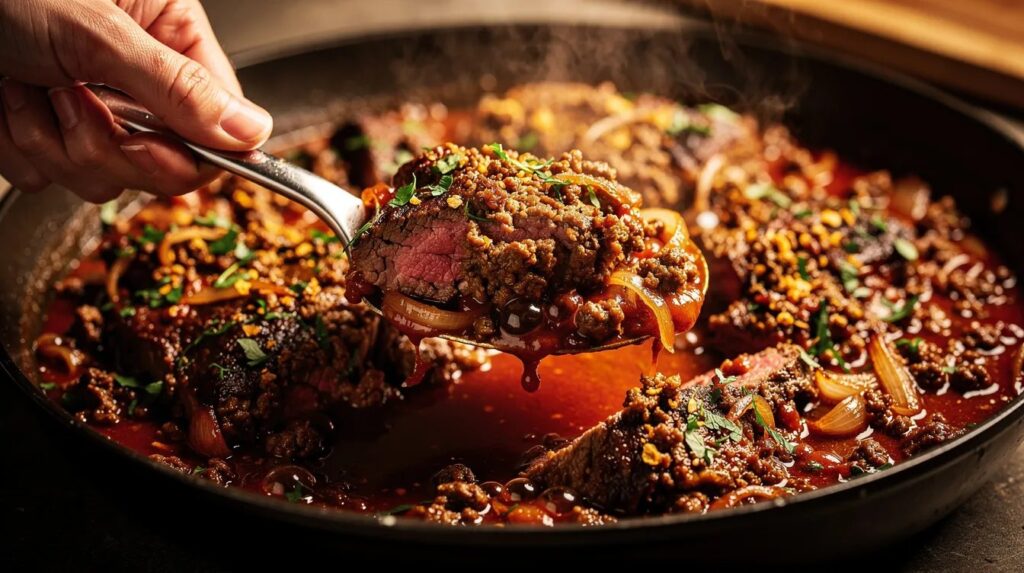
Pour in one 400 g tin of crushed tomatoes and half a cup of beef stock. Drain and rinse one 400 g tin of red kidney beans and add them to the pan. Stir everything together, scraping up any browned bits stuck to the bottom – this caramelised residue, known as fond, dissolves into the sauce, enriching its flavour. Bring to a simmer, then reduce heat to medium-low. Let it bubble gently for 15–20 minutes, uncovered, until the sauce thickens and clings to the back of a spoon.
4. Finish and serve
Taste and adjust seasoning as needed. A squeeze of lime juice at the end can elevate the dish. Serve over steamed rice, in warmed tortillas, or with a handful of corn chips and a dollop of sour cream. Sprinkle fresh coriander leaves on top if you have them – their bright, citrusy taste will cut through the richness of the beef.
Korean-style beef rice bowl
1. Make the sauce first
In a small bowl, whisk together 3 tbsp soy sauce, 1 tbsp sesame oil, 1 tbsp brown sugar, 1 tbsp rice vinegar, and 1 tsp grated fresh ginger. If you have gochujang (a fermented Korean chilli paste, available at most Asian grocers and many supermarkets), add 1 tbsp for a smoky, building heat. Set aside. Having the sauce ready before you start cooking means everything comes together quickly once the pan is hot.
2. Cook the beef
Heat a large skillet or wok over high heat. Add the mince without oil – beef fat renders quickly at high temperature and provides the lubrication needed. Spread it in a thin, even layer and let it sear for 2 minutes without stirring. Then break it up and cook for another 3–4 minutes until no pink remains. Pour the sauce over the beef, toss to combine, and let it simmer for 2 minutes until it reduces to a sticky glaze.
3. Assemble the bowls
Divide steamed jasmine rice among bowls. Top with the glazed beef, then add quick pickled cucumber (thin slices tossed with rice vinegar and a pinch of sugar for ten minutes), shredded carrot, sliced spring onions, and a soft-boiled egg halved lengthwise. Finish with a sprinkle of sesame seeds and an extra drizzle of sesame oil. The combination of warm, sticky meat and cool, crunchy vegetables makes this bowl feel more complete than its twenty-minute cooking time suggests.
Aussie savoury mince on toast
1. A weeknight staple since forever
This is the dinner that many Australians grew up on. It requires almost nothing: one onion, a carrot, a handful of frozen peas, a tablespoon of tomato paste, Worcestershire sauce, and a cup of beef stock. Dice the onion and carrot small – roughly half a centimetre – so they soften quickly and blend into the mince. Fry the onion in a knob of butter over medium heat for 3 minutes, add the carrot, cook another 2 minutes, then add the mince. Brown it well.
2. Build the gravy
Stir in 1 tbsp plain flour and let it cook for a minute – this thickens the sauce without lumps. Add 1 tbsp tomato paste, 1 tbsp Worcestershire sauce, and 1 cup beef stock. Stir until smooth. The mixture should thicken almost immediately. Add the frozen peas, season with salt and pepper, and simmer for 10 minutes. The result is a thick, savoury gravy with tender vegetables.
3. Serve on thick toast
Toast slices of thick white bread or sourdough until golden and firm enough to hold the filling. Spoon the mince generously over the toast. Some people add a fried egg, while others grate cheese. Either way is fine. The dish is simple, comforting, and ready in under 25 minutes – which is why it has remained popular for generations.
Beef and vegetable pasta bake
1. Cook the pasta and sauce simultaneously
Preheat your oven to 200°C. While it heats, cook 300 g penne or rigatoni in salted boiling water until just shy of al dente – about one minute less than the packet suggests since it will continue cooking in the oven. In a separate pan, brown the mince with diced onion, two crushed garlic cloves, and one diced zucchini. Autumn zucchini still has good flavour and holds its shape well in baked dishes. Add a 700 ml jar of passata, 1 tsp dried oregano, and season well.
2. Combine and bake
Drain the pasta and toss it through the meat sauce. Transfer to a baking dish, roughly 30 × 20 cm. Tear a ball of fresh mozzarella over the top and scatter with ½ cup grated parmesan. Bake for 20 minutes until the cheese is bubbling and the edges of the pasta have turned golden and slightly crisp. Let it rest for five minutes before serving – the sauce thickens as it sits, and you avoid burning your mouth.
Speedy beef tacos with lime slaw
1. Season and cook the beef
Mix 1 tsp each of cumin, smoked paprika, garlic powder, and onion powder with ½ tsp chilli powder and a good pinch of salt. Brown the mince in a hot skillet, then add the spice blend and ⅓ cup water. Let the liquid reduce until the beef is coated in a fragrant, slightly sticky seasoning. This takes about 5 minutes.
2. Make the slaw while the beef cooks
Finely shred a quarter of a cabbage – a mix of red and green looks good, but either works. Toss with the juice of one lime, a drizzle of olive oil, a pinch of salt, and a handful of roughly chopped coriander. The acidity of the lime softens the cabbage and adds a bright, crunchy contrast to the spiced beef.
3. Assemble
Warm small flour or corn tortillas in a dry pan for 30 seconds on each side. Spoon in the beef, pile on the slaw, add sliced avocado or a spoonful of guacamole, and finish with a squeeze of lime and a dash of hot sauce. These tacos are ready in under 20 minutes and disappear even faster.
Tips for buying and storing beef mince in Australia
Most Australian supermarkets sell mince in three grades: regular (around 20% fat), lean (around 10%), and extra lean (5% or less). For dishes with rich sauces like chilli, pasta bakes, or tacos, regular mince provides better flavour and stays moist. For bowls and lighter dishes, lean mince works well. Fresh mince should be used within 1–2 days of purchase. If freezing, press it flat in a zip-lock bag to speed up thawing. A flattened portion defrosts in cold water in about 30 minutes, compared to hours for a thick block.
When autumn produce like mushrooms, silverbeet, sweet potato, and firm zucchini become available at farmers' markets, consider adding them to any of these recipes. Ground beef is versatile: it complements other flavours and pairs well with seasonal vegetables.
Remove excess fat from browned mince by tilting the pan and spooning it off or blotting it with paper towel. This simple step keeps sauces cleaner and lighter without losing the flavour developed during searing.
Approximate nutritional values per serve (500 g regular beef mince, divided into 4 portions)
| Nutrient | Amount |
|---|---|
| Calories | ~310 kcal |
| Protein | ~26 g |
| Carbohydrates | ~0 g (mince only, varies with dish) |
| Fat | ~22 g |
| Saturated fat | ~9 g |
| Iron | ~3.5 mg |
Frequently asked questions
Can i substitute beef mince with another protein?
Turkey, pork, or lamb mince can be used in these recipes with slight adjustments. Turkey and chicken mince are leaner, so adding a little extra oil to the pan is beneficial. Lamb adds unique richness that pairs well with the Korean-style sauce and the chilli. For a plant-based option, textured vegetable protein or firm crumbled tofu can replace the mince in tacos and rice bowls.
How do i prevent mince from turning grey and mushy?
The most common mistake is overcrowding the pan. Adding too much mince at once lowers the temperature, causing the meat to steam instead of sear. If needed, cook in batches, ensuring the mince sits in a single layer. Keep the heat high and avoid stirring constantly – let the beef sit against the hot surface long enough to develop a brown crust before breaking it apart.
Can i prep any of these meals ahead of time?
The chilli beef and beans, savoury mince, and pasta bake sauce all reheat well and can be prepared up to two days in advance. Store in airtight containers in the fridge. The Korean beef bowl sauce can be whisked together and refrigerated for up to a week. The taco seasoning blend can be stored indefinitely in a sealed jar. Avoid assembling the pasta bake ahead of time unless you plan to freeze it – the pasta absorbs liquid as it sits and may become soft.
Is it safe to refreeze mince that has been thawed?
If the mince was thawed in the fridge and kept below 5°C, it can be refrozen, although the texture and moisture may be affected. The better option is to cook the thawed mince first, then freeze the finished dish. Cooked mince dishes freeze well for up to three months and reheat from frozen in about fifteen minutes in a covered pan over medium heat.
What is the cheapest way to stretch a pound of mince further?
Add finely diced vegetables – carrot, celery, mushrooms, or zucchini – to the mince while browning. They add bulk to the dish, absorb the seasonings, and become virtually invisible in the finished meal. Tinned lentils or beans can also extend a smaller quantity of mince across more servings without significantly altering the dish. A single 400 g tin of lentils can increase four portions to six.